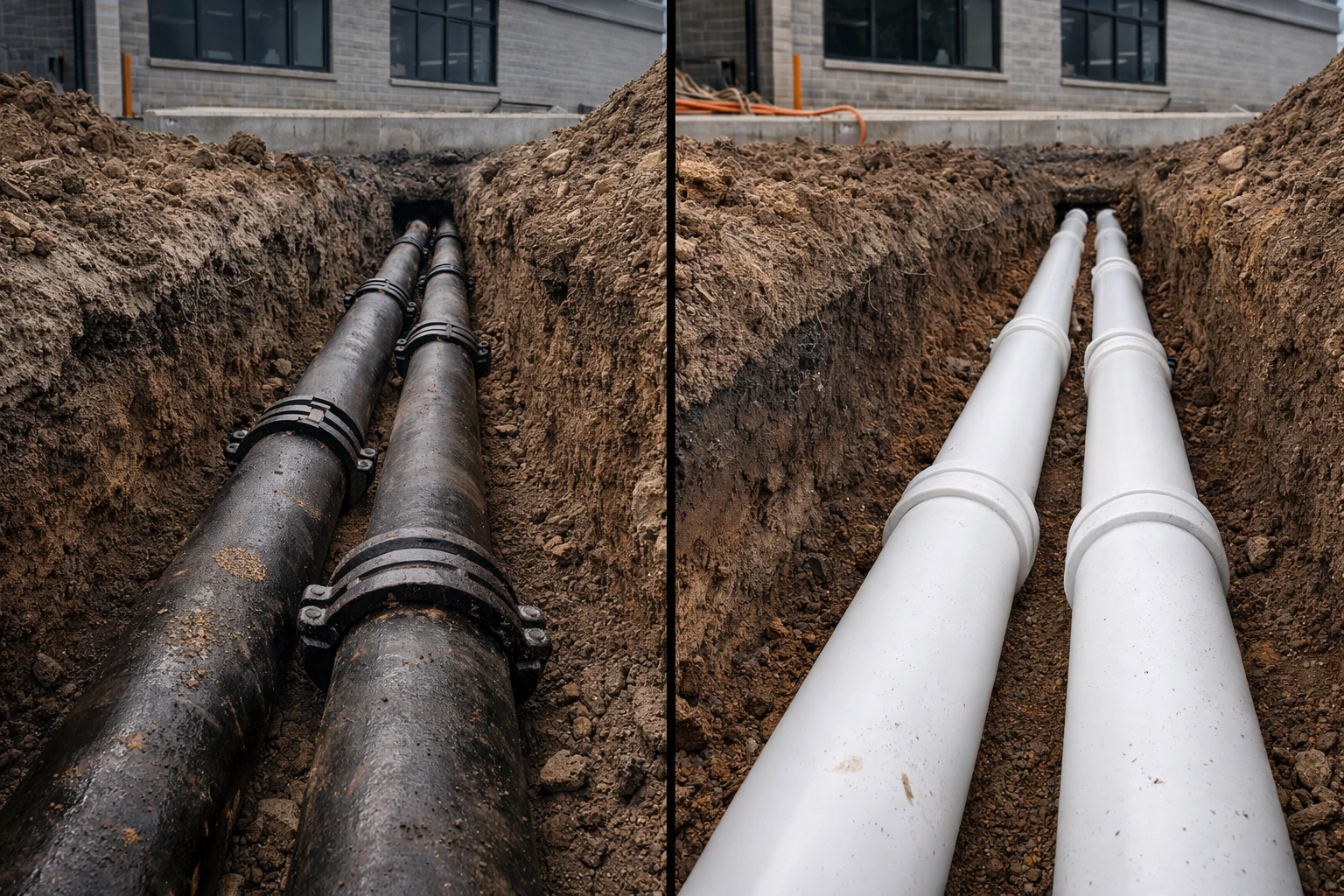
Importance of Backflow Prevention on Commercial Properties

December 30th, 2025|

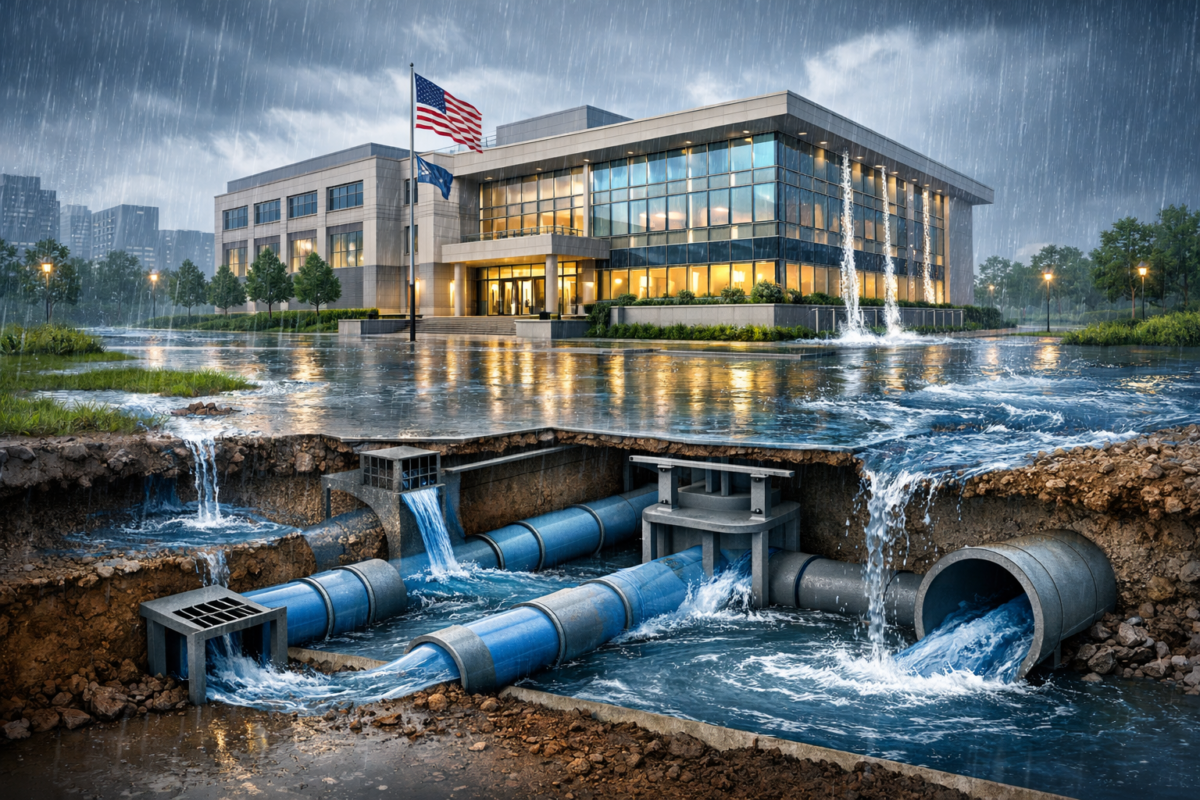
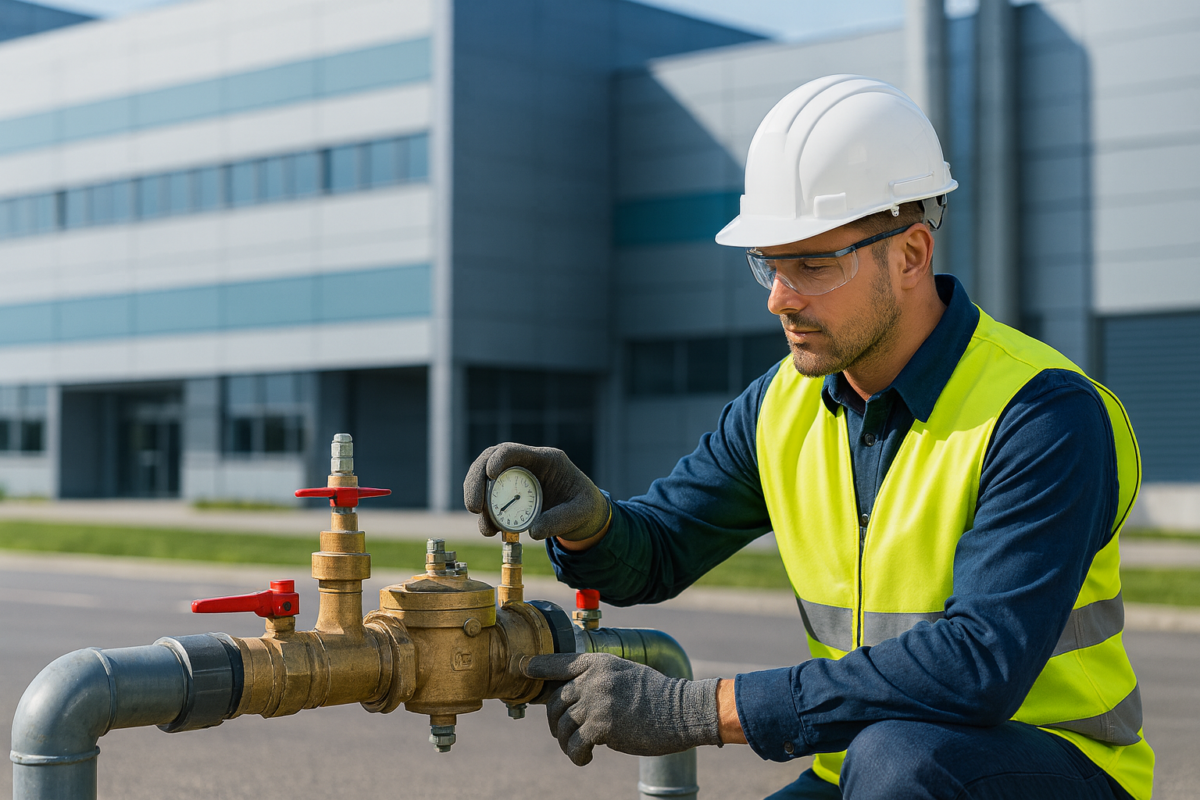
In commercial construction and property management, maintaining a safe and compliant water system is essential to protecting both occupants and infrastructure. One of the most important yet often underestimated components of that responsibility is practical backflow prevention. Commercial properties rely on complex plumbing networks, multiple water entry points, and high-demand systems that can make them more vulnerable to sudden pressure changes.  When these fluctuations occur, contaminated water can reverse direction and enter the clean water supply, leading to public health, building operations, and regulatory compliance risks. In the sections ahead, [...]

Common Failures in Commercial Gas Piping Systems & How to Prevent Them

December 10th, 2025|

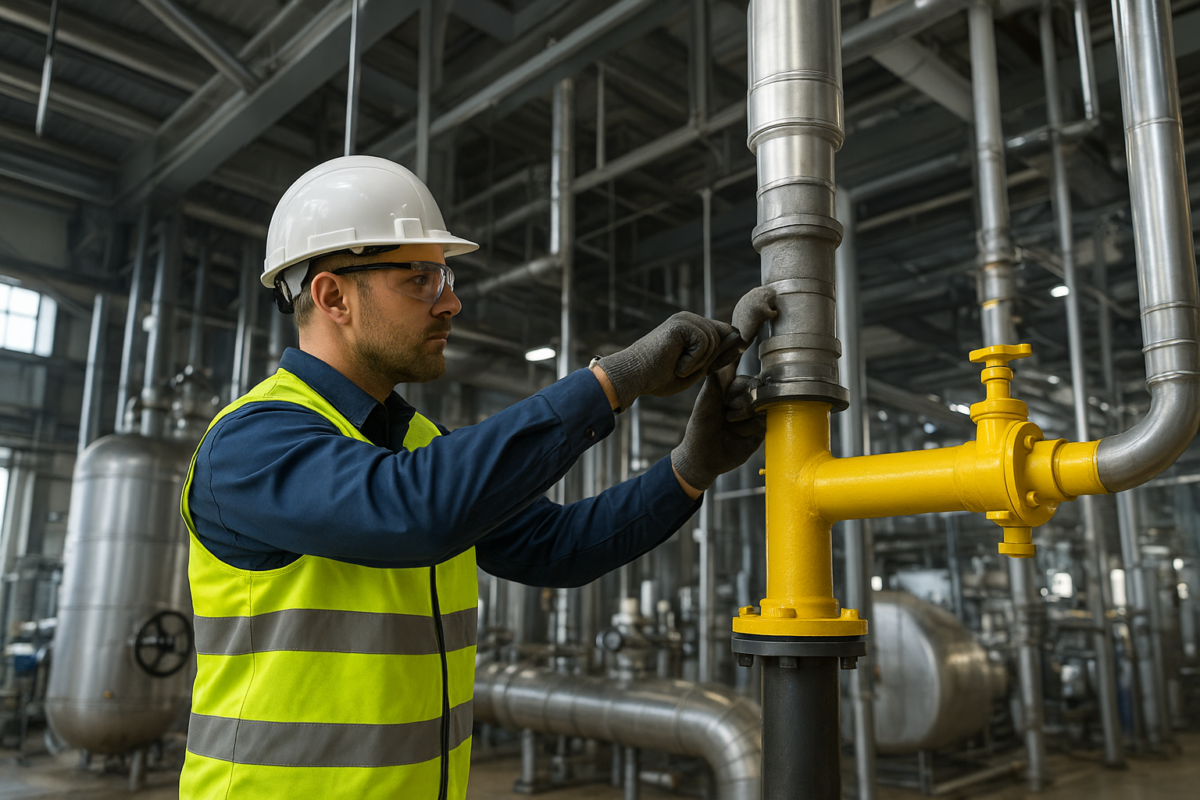
Commercial-gas piping systems are engineered for reliability, but in real life, even well-designed systems often run into trouble. According to the Pipeline and Hazardous Materials Safety Administration (PHMSA), over the period 1998–2020, roughly 18 % of “significant” pipeline incidents (those causing injury, fatality, or major property damage) were due to corrosion. Other major contributors include material defects, improper installation, aging pipe segments, and external forces like construction damage or ground movement, which is common in commercial settings. These failures often appear as leaks, ruptures, or deterioration in welds and pipe [...]

Why Proper Excavation Is Critical for Commercial Construction Projects

November 23rd, 2025|

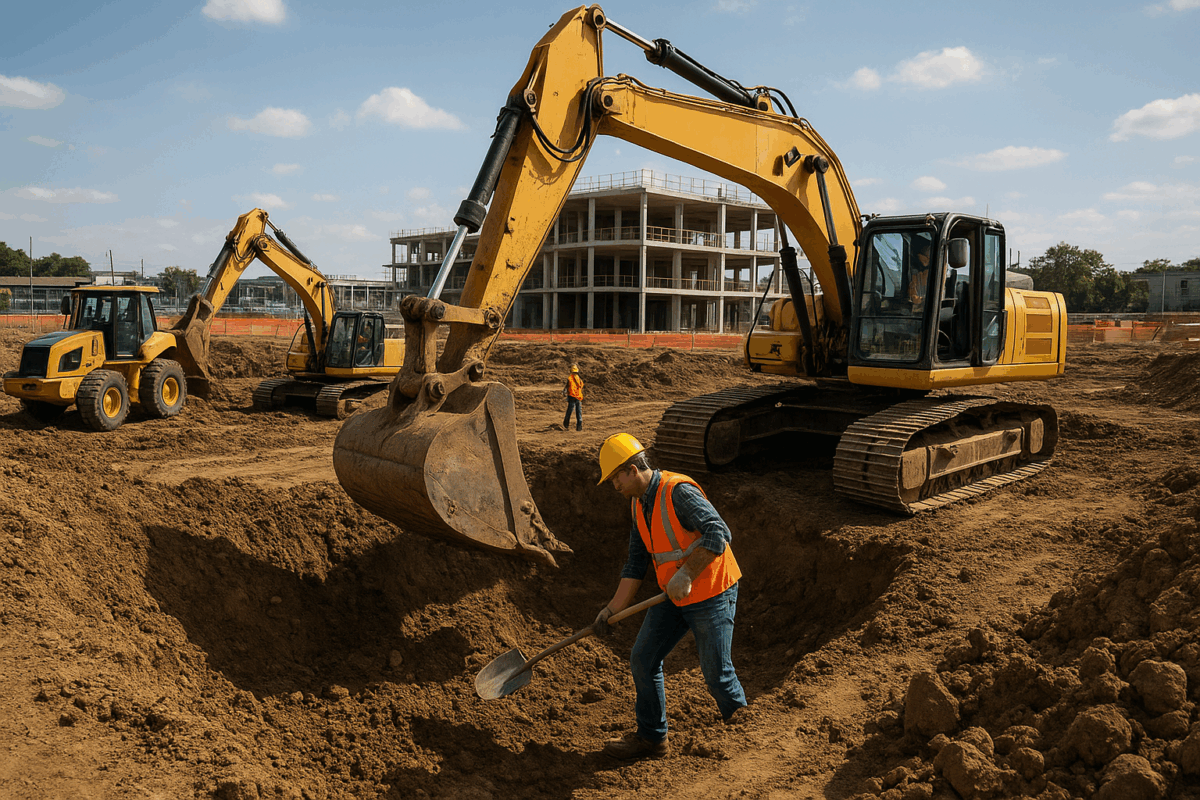
The success of any commercial project begins with excavation, the phase that defines stability, drainage, and long-term structural performance. When excavation is done improperly, costly issues inevitably follow. This blog outlines why this early stage is critical and what a properly executed excavation process should include. Foundation cracks, soil movement, and drainage failures rarely appear out of nowhere; they almost always originate from mistakes made before the first footing is even poured. That first phase is excavation, and it determines whether the entire structure will perform as intended or [...]

Pros and Cons of Prefabrication in Modern Construction

November 19th, 2025|

The construction industry is changing quickly, with increasing pressure to deliver projects faster, more efficiently, and at lower costs. In this setting, prefabrication in construction has emerged as a method that has altered how buildings are planned, coordinated, and executed. Its growing use has also provoked discussions among professionals about when and how it is most effective. As a result, this has made it more important to carefully consider both the benefits and the limitations of prefabrication, as these factors can significantly influence project outcomes, resource management, and overall efficiency. [...]

Supply Chain Disruptions & Their Management Strategies For Construction Companies

October 23rd, 2025|

A supply chain in construction means everything from sourcing raw materials and equipment to coordinating logistics and labor on-site. And, when this system weakens, the effects can ripple across entire projects.   According to the U.S. Census Bureau, 58.5% of businesses in the construction sector reported domestic supplier delays in July 2021. This figure illustrates the vulnerability of construction projects to material shortages and logistical setbacks. Issues such as port congestion, labor gaps, and extreme weather have further increased the risk of construction supply chain disruption, causing delays, inflated costs, [...]

Design Build vs Traditional Build: Which Is Better for Your Commercial Project?

October 8th, 2025|

Commercial building projects have complex layouts, specialized mechanical, electrical, and plumbing (MEP) systems, and even need to meet strict local building codes. That is why one of the first and most important decisions you’ll make during such projects is choosing the right project delivery method. Traditionally, projects have followed the design-bid-build approach, where the architect designs the building and contractors bid to construct it in separate phases. In contrast, the modern design build construction method combines design and construction under a single team, offering a more streamlined, collaborative process. [...]

The Role Of Technology In Modern Construction Project Management

September 29th, 2025|

The construction industry has long been characterized by traditional methods and manual processes. However, as the projects grow in complexity, scope, and scale, these outdated approaches are no longer sufficient to meet the increasing demands for faster delivery, tighter budgets, and higher-quality outcomes. In response, construction project management is undergoing a significant transformation, driven by the integration of advanced technologies. But the questions that arise are: what specific technologies are enabling this shift? And how are they revolutionizing the way construction projects are managed from the ground up? That’s [...]

Why Underground Utility Installation Is Crucial For New Commercial Developments

August 27th, 2025|

A major part of the early planning phase in any commercial development is underground utility installation, a step that quietly decides how perfectly the entire project will function in the long run. Before any structures take shape, developers must ensure that essential systems like water, electricity, sewer, gas, and internet are properly placed and connected. When planned and executed carefully, underground utility installation helps prevent costly redesigns, avoids clashes between systems, and ensures a smoother, more efficient construction process. But beyond these immediate advantages, what makes it essential for [...]

Role of General Contractors in Managing Risk and Liability on Construction Sites

July 30th, 2025|

Construction projects are complex by nature, and with that complexity comes significant risk, from accidents involving heavy machinery and falls to hazards like electrical issues and structural failures and compliance issues. That’s where general contractors come in, not just as project managers, but as key players in minimizing risk and liability on-site. These professionals enforce safety standards and manage subcontractors; they also navigate building codes and insurance requirements to help keep your project compliant and workers protected. Curious how they manage it all, and why hiring one is so important? In [...]

Understanding Differences Between Natural Gas and Propane Supply Lines in Commercial Buildings

July 17th, 2025|

Designing fuel systems for commercial buildings involves a critical decision: natural gas or propane? While both are hydrocarbon-based fuels, their differences in chemical makeup, energy density, pressure, and delivery methods significantly impact system design, safety, and long-term costs. Propane is stored on-site as a pressurized liquid, requiring corrosion-resistant piping and higher pressure ratings. Natural gas, delivered via municipal pipelines at lower pressures, involves different sizing, venting, and regulatory considerations. These differences shape how natural gas and propane supply lines must be designed and installed. This blog unpacks the engineering, [...]

Go to Top