
Author: Eddie Saiz

  • Top 10 Benefits of Hiring Local Commercial Contractors

    Top 10 Benefits of Hiring Local Commercial Contractors

    [fusion_builder_container type=”flex” hundred_percent=”no” hundred_percent_height=”no” min_height_medium=”” min_height_small=”” min_height=”” hundred_percent_height_scroll=”no” align_content=”stretch” flex_align_items=”flex-start” flex_justify_content=”flex-start” flex_wrap_medium=”” flex_wrap_small=”” flex_wrap=”wrap” flex_column_spacing=”” hundred_percent_height_center_content=”yes” equal_height_columns=”no” container_tag=”div” menu_anchor=”” hide_on_mobile=”small-visibility,medium-visibility,large-visibility” status=”published” publish_date=”” class=”” id=”” spacing_medium=”” spacing_small=”” padding_dimensions_medium=”” padding_dimensions_small=”” link_hover_color=”” link_color=”” border_sizes=”” border_color=”” border_style=”solid” box_shadow=”no” box_shadow_blur=”0″ box_shadow_spread=”0″ box_shadow_color=”” box_shadow_style=”” z_index=”” overflow=”” background_color_medium=”” background_color_small=”” background_color=”” gradient_start_color=”” gradient_end_color=”” gradient_start_position=”0″ gradient_end_position=”100″ gradient_type=”linear” radial_direction=”center center” linear_angle=”180″ background_image_medium=”” background_image_small=”” background_image=”” skip_lazy_load=”” background_position_medium=”” background_position_small=”” background_position=”center center” background_repeat_medium=”” background_repeat_small=”” background_repeat=”no-repeat” background_size_medium=”” background_size_small=”” background_size=”” background_custom_size=”” background_custom_size_medium=”” background_custom_size_small=”” fade=”no” background_parallax=”none” enable_mobile=”no” parallax_speed=”0.3″ background_blend_mode_medium=”” background_blend_mode_small=”” background_blend_mode=”none” background_slider_images=”” background_slider_position=”” background_slider_skip_lazy_loading=”no” background_slider_loop=”yes” background_slider_pause_on_hover=”no” background_slider_slideshow_speed=”5000″ background_slider_animation=”fade” background_slider_direction=”up” background_slider_animation_speed=”800″ background_slider_blend_mode=”” video_mp4=”” video_webm=”” video_ogv=”” video_url=”” video_aspect_ratio=”16:9″ video_loop=”yes” video_mute=”yes” video_preview_image=”” pattern_bg=”none” pattern_custom_bg=”” pattern_bg_color=”” pattern_bg_style=”default” pattern_bg_opacity=”100″ pattern_bg_size=”” pattern_bg_blend_mode=”normal” mask_bg=”none” mask_custom_bg=”” mask_bg_color=”” mask_bg_accent_color=”” mask_bg_style=”default” mask_bg_opacity=”100″ mask_bg_transform=”left” mask_bg_blend_mode=”normal” render_logics=”” logics=”” absolute=”off” absolute_devices=”small,medium,large” sticky=”off” sticky_devices=”small-visibility,medium-visibility,large-visibility” sticky_background_color=”” sticky_height=”” sticky_offset=”” sticky_transition_offset=”0″ scroll_offset=”0″ animation_type=”” animation_direction=”left” animation_color=”” animation_speed=”0.3″ animation_delay=”0″ animation_offset=”” filter_hue=”0″ filter_saturation=”100″ filter_brightness=”100″ filter_contrast=”100″ filter_invert=”0″ filter_sepia=”0″ filter_opacity=”100″ filter_blur=”0″ filter_hue_hover=”0″ filter_saturation_hover=”100″ filter_brightness_hover=”100″ filter_contrast_hover=”100″ filter_invert_hover=”0″ filter_sepia_hover=”0″ filter_opacity_hover=”100″ filter_blur_hover=”0″][fusion_builder_row][fusion_builder_column type=”1_1″ layout=”1_1″ align_self=”auto” content_layout=”column” align_content=”flex-start” valign_content=”flex-start” content_wrap=”wrap” spacing=”” center_content=”no” column_tag=”div” link=”” target=”_self” link_description=”” min_height=”” hide_on_mobile=”small-visibility,medium-visibility,large-visibility” sticky_display=”normal,sticky” class=”” id=”” type_medium=”” type_small=”” flex_grow_medium=”” flex_grow_small=”” flex_grow=”” flex_shrink_medium=”” flex_shrink_small=”” flex_shrink=”” order_medium=”0″ order_small=”0″ dimension_spacing_medium=”” dimension_spacing_small=”” dimension_spacing=”” dimension_margin_medium=”” dimension_margin_small=”” margin_top=”” margin_bottom=”” padding_medium=”” padding_small=”” padding_top=”” padding_right=”” padding_bottom=”” padding_left=”” hover_type=”none” border_sizes=”” border_color_hover=”” border_color=”” border_style=”solid” border_radius=”” box_shadow=”no” dimension_box_shadow=”” box_shadow_blur=”0″ box_shadow_spread=”0″ box_shadow_color=”” box_shadow_style=”” z_index_hover=”” z_index=”” overflow=”” background_type=”single” background_color_medium=”” background_color_small=”” background_color_medium_hover=”” background_color_small_hover=”” background_color_hover=”” background_color=”” gradient_start_color=”” gradient_end_color=”” gradient_start_position=”0″ gradient_end_position=”100″ gradient_type=”linear” radial_direction=”center center” linear_angle=”180″ background_image_medium=”” background_image_small=”” background_image=”” background_image_id_medium=”” background_image_id_small=”” background_image_id=”” lazy_load=”none” skip_lazy_load=”” background_position_medium=”” background_position_small=”” background_position=”left top” background_repeat_medium=”” background_repeat_small=”” background_repeat=”no-repeat” background_size_medium=”” background_size_small=”” background_size=”” background_custom_size=”” background_custom_size_medium=”” background_custom_size_small=”” background_blend_mode_medium=”” background_blend_mode_small=”” background_blend_mode=”none” background_slider_images=”” background_slider_position=”” background_slider_skip_lazy_loading=”no” background_slider_loop=”yes” background_slider_pause_on_hover=”no” background_slider_slideshow_speed=”5000″ background_slider_animation=”fade” background_slider_direction=”up” background_slider_animation_speed=”800″ background_slider_blend_mode=”” render_logics=”” sticky=”off” sticky_devices=”small-visibility,medium-visibility,large-visibility” sticky_offset=”” absolute=”off” absolute_props=”” filter_type=”regular” filter_hover_element=”self” filter_hue=”0″ filter_saturation=”100″ filter_brightness=”100″ filter_contrast=”100″ filter_invert=”0″ filter_sepia=”0″ filter_opacity=”100″ filter_blur=”0″ filter_hue_hover=”0″ filter_saturation_hover=”100″ filter_brightness_hover=”100″ filter_contrast_hover=”100″ filter_invert_hover=”0″ filter_sepia_hover=”0″ filter_opacity_hover=”100″ filter_blur_hover=”0″ transform_type=”regular” transform_hover_element=”self” transform_scale_x=”1″ transform_scale_y=”1″ transform_translate_x=”0″ transform_translate_y=”0″ transform_rotate=”0″ transform_skew_x=”0″ transform_skew_y=”0″ transform_scale_x_hover=”1″ transform_scale_y_hover=”1″ transform_translate_x_hover=”0″ transform_translate_y_hover=”0″ transform_rotate_hover=”0″ transform_skew_x_hover=”0″ transform_skew_y_hover=”0″ transform_origin=”” transition_duration=”300″ transition_easing=”ease” transition_custom_easing=”” motion_effects=”” scroll_motion_devices=”small-visibility,medium-visibility,large-visibility” animation_type=”” animation_direction=”left” animation_color=”” animation_speed=”0.3″ animation_delay=”0″ animation_offset=”” last=”true” border_position=”all” first=”true”][fusion_text columns=”” column_min_width=”” column_spacing=”” rule_style=”” rule_size=”” rule_color=”” hue=”” saturation=”” lightness=”” alpha=”” user_select=”” awb-switch-editor-focus=”” content_alignment_medium=”” content_alignment_small=”” content_alignment=”” hide_on_mobile=”small-visibility,medium-visibility,large-visibility” sticky_display=”normal,sticky” class=”” id=”” margin_top=”” margin_right=”” margin_bottom=”” margin_left=”” fusion_font_family_text_font=”” fusion_font_variant_text_font=”” font_size=”” line_height=”” letter_spacing=”” text_transform=”” text_color=”” animation_type=”” animation_direction=”left” animation_color=”” animation_speed=”0.3″ animation_delay=”0″ animation_offset=”” logics=””]

    Hiring a local contractor is a strategy for smarter, faster, and more reliable construction over any national contractor. Even the National Association of Home Builders USA agrees with this, with its survey stating that local contractors can cut project timelines by up to 30% due to their familiarity with local suppliers, permits, and regulations. They’re also well-versed in local building codes, which helps minimize legal risks and play a better project management role in commercial construction that an out-of-town contractor might overlook.

    In this blog, we have elaborated on why Local Commercial Contractors give you an upper hand over any national contractor, along with some tips on choosing the right one. Read to learn more in detail!

    Benefits of Hiring Local Commercial Contractors

    Familiarity with Municipal Regulations and Other Local Construction Issues

    Local commercial contractors are highly familiar with the specific building codes, zoning laws, and permit processes that are unique to your municipality. Unlike out-of-town contractors, they are accustomed to working with local government agencies, ensuring smoother approval processes and reducing the risk of regulatory delays. Additionally, local industrial contractors are aware of the region’s weather patterns, which could impact construction schedules.

    Stronger Relationships with Local Suppliers

    Having operated in their area for years or even decades, local contractors have built strong relationships with local suppliers. Through these established connections, they can source high-quality materials at discounted prices and often secure them more quickly, helping clients save both time and money.

    Faster Response and Project Completion

    Hiring a local commercial contractor ensures quicker responses to any issues that arise during the construction process. Proximity allows contractors to address unexpected challenges—such as weather disruptions, material shortages, or design adjustments—without the delays often experienced by out-of-town contractors. Local industrial contractors are also familiar with regional regulations, zoning laws, and approval processes, which can expedite permitting and inspections.

    Reduced Travel and Accommodation Costs

    When you hire a local commercial contractor, travel and accommodation expenses are significantly reduced. There’s no need for the contractor’s team to travel from out of town, which cuts costs related to transportation, lodging, and per diem. Moreover, local contractors are more likely to have tools and equipment readily available or sourced locally, which further reduces transportation costs. On the other hand, out-of-town contractors might need to rent equipment or ship tools from distant locations, adding unnecessary expenses.

    Personal Interaction with Your Builder

    One of the key advantages of hiring a local commercial general contractors is the ease of communication. You can meet with the contractor face-to-face regularly, address concerns quickly, and get updates on the progress of the project. Local contractors are typically more accessible for site visits as well. In contrast, out-of-town contractors may only offer communication through phone calls or emails, which can delay decision-making and make it harder to address issues promptly.

    Understanding Of Local Conditions

    How will local conditions impact your construction schedule? What type of foundation is best suited for structures in this area? 

    Local industrial contractors are familiar with soil types, water tables, seismic risks, and climate factors that influence the planning and execution of construction projects. For example, a contractor in Albuquerque would know how to design and reinforce structures to withstand earthquakes, while one in Florida would focus on hurricane-resistant construction methods. Out-of-town contractors may lack this expertise and may apply cookie-cutter building strategies that could lead to structural problems or inefficient designs.

    Stronger Accountability and Reputation

    Trustworthy commercial construction company holds responsibilities way better, and value their reputation within the community. Because they serve local businesses and residents, they are more likely to deliver high-quality work and adhere to deadlines in order to maintain their standing and secure future projects. In contrast, out-of-town contractors may not prioritize maintaining a long-term relationship with clients, and their lack of accountability could lead to dissatisfaction or unfinished work.

    Better Knowledge of Local Architecture and Design Trends

    Local commercial general contractors have a deeper understanding of the architectural preferences, styles, and designs that are popular and practical in the region. They can advise clients on design choices that align with local traditions and building norms, leading to a more congruous end result. 

    Enhanced Long-Term Maintenance Support

    After the project is completed, local commercial construction contractors in Albuquerque are often easier to reach for follow-up services or maintenance needs. Should issues arise, they are more likely to be available to perform repairs or adjustments quickly. This long-term relationship ensures that the contractor is motivated to maintain quality even after the project is finished. National contractors, however, may not be as readily available for ongoing support, especially if issues arise well after the project ends.

    Support for the Local Economy

    Hiring a local commercial general contractor contributes directly to the local economy by creating jobs, supporting local suppliers, and generating tax revenue. This fosters long-term economic growth in the community, which benefits businesses and residents alike. Choosing an out-of-town contractor means that much of the project budget, including labor and material costs, leaves the area, potentially weakening the local economy.

    How to Find The Right Local Commercial Contractor

    Here are a few tips on how to find the right local commercial construction contractors:

    • Use Local Directories and Websites: Check online directories like Yelp, Angie’s List, or local Chamber of Commerce websites to find reputable commercial contractors based in your area.
    • Ask for Recommendations from Local Businesses: Reach out to local business owners, property managers, or real estate professionals who may have worked with contractors in your area and can provide trusted recommendations.
    • Contact Local Building Associations: Many cities or regions have construction associations (e.g., Associated Builders and Contractors, National Association of Home Builders) that maintain lists of licensed, reputable contractors who work locally.

    Once you have sourced a list of local commercial contractors, obtain quotes from them to compare pricing, services, warranties, and timelines. Make sure all bids include the same scope of work to ensure an apples-to-apples comparison.

    Conclusion

    Hiring a local commercial general contractor is a smart choice for ensuring smoother, more efficient construction projects. If you are ready to start your next project and are looking for a reliable local contractor, contact DUB-L-EE today for personalized, expert construction services in Albuquerque!

    [/fusion_text][/fusion_builder_column][/fusion_builder_row][/fusion_builder_container]
  • Understanding Commercial Gas System Pipes Role | Polyethylene & Steel Piping Considerations

    Understanding Commercial Gas System Pipes Role | Polyethylene & Steel Piping Considerations

    [fusion_builder_container type=”flex” hundred_percent=”no” hundred_percent_height=”no” min_height_medium=”” min_height_small=”” min_height=”” hundred_percent_height_scroll=”no” align_content=”stretch” flex_align_items=”flex-start” flex_justify_content=”flex-start” flex_wrap_medium=”” flex_wrap_small=”” flex_wrap=”wrap” flex_column_spacing=”” hundred_percent_height_center_content=”yes” equal_height_columns=”no” container_tag=”div” menu_anchor=”” hide_on_mobile=”small-visibility,medium-visibility,large-visibility” status=”published” publish_date=”” class=”” id=”” spacing_medium=”” spacing_small=”” padding_dimensions_medium=”” padding_dimensions_small=”” link_hover_color=”” link_color=”” border_sizes=”” border_color=”” border_style=”solid” box_shadow=”no” box_shadow_blur=”0″ box_shadow_spread=”0″ box_shadow_color=”” box_shadow_style=”” z_index=”” overflow=”” background_color_medium=”” background_color_small=”” background_color=”” gradient_start_color=”” gradient_end_color=”” gradient_start_position=”0″ gradient_end_position=”100″ gradient_type=”linear” radial_direction=”center center” linear_angle=”180″ background_image_medium=”” background_image_small=”” background_image=”” skip_lazy_load=”” background_position_medium=”” background_position_small=”” background_position=”center center” background_repeat_medium=”” background_repeat_small=”” background_repeat=”no-repeat” background_size_medium=”” background_size_small=”” background_size=”” background_custom_size=”” background_custom_size_medium=”” background_custom_size_small=”” fade=”no” background_parallax=”none” enable_mobile=”no” parallax_speed=”0.3″ background_blend_mode_medium=”” background_blend_mode_small=”” background_blend_mode=”none” background_slider_images=”” background_slider_position=”” background_slider_skip_lazy_loading=”no” background_slider_loop=”yes” background_slider_pause_on_hover=”no” background_slider_slideshow_speed=”5000″ background_slider_animation=”fade” background_slider_direction=”up” background_slider_animation_speed=”800″ background_slider_blend_mode=”” video_mp4=”” video_webm=”” video_ogv=”” video_url=”” video_aspect_ratio=”16:9″ video_loop=”yes” video_mute=”yes” video_preview_image=”” pattern_bg=”none” pattern_custom_bg=”” pattern_bg_color=”” pattern_bg_style=”default” pattern_bg_opacity=”100″ pattern_bg_size=”” pattern_bg_blend_mode=”normal” mask_bg=”none” mask_custom_bg=”” mask_bg_color=”” mask_bg_accent_color=”” mask_bg_style=”default” mask_bg_opacity=”100″ mask_bg_transform=”left” mask_bg_blend_mode=”normal” render_logics=”” logics=”” absolute=”off” absolute_devices=”small,medium,large” sticky=”off” sticky_devices=”small-visibility,medium-visibility,large-visibility” sticky_background_color=”” sticky_height=”” sticky_offset=”” sticky_transition_offset=”0″ scroll_offset=”0″ animation_type=”” animation_direction=”left” animation_color=”” animation_speed=”0.3″ animation_delay=”0″ animation_offset=”” filter_hue=”0″ filter_saturation=”100″ filter_brightness=”100″ filter_contrast=”100″ filter_invert=”0″ filter_sepia=”0″ filter_opacity=”100″ filter_blur=”0″ filter_hue_hover=”0″ filter_saturation_hover=”100″ filter_brightness_hover=”100″ filter_contrast_hover=”100″ filter_invert_hover=”0″ filter_sepia_hover=”0″ filter_opacity_hover=”100″ filter_blur_hover=”0″][fusion_builder_row][fusion_builder_column type=”1_1″ align_self=”auto” content_layout=”column” align_content=”flex-start” valign_content=”flex-start” content_wrap=”wrap” spacing=”” center_content=”no” column_tag=”div” link=”” target=”_self” link_description=”” min_height=”” hide_on_mobile=”small-visibility,medium-visibility,large-visibility” sticky_display=”normal,sticky” class=”” id=”” type_medium=”” type_small=”” flex_grow_medium=”” flex_grow_small=”” flex_grow=”” flex_shrink_medium=”” flex_shrink_small=”” flex_shrink=”” order_medium=”0″ order_small=”0″ dimension_spacing_medium=”” dimension_spacing_small=”” dimension_spacing=”” dimension_margin_medium=”” dimension_margin_small=”” margin_top=”” margin_bottom=”” padding_medium=”” padding_small=”” padding_top=”” padding_right=”” padding_bottom=”” padding_left=”” hover_type=”none” border_sizes=”” border_color_hover=”” border_color=”” border_style=”solid” border_radius=”” box_shadow=”no” dimension_box_shadow=”” box_shadow_blur=”0″ box_shadow_spread=”0″ box_shadow_color=”” box_shadow_style=”” z_index_hover=”” z_index=”” overflow=”” background_type=”single” background_color_medium=”” background_color_small=”” background_color_medium_hover=”” background_color_small_hover=”” background_color_hover=”” background_color=”” gradient_start_color=”” gradient_end_color=”” gradient_start_position=”0″ gradient_end_position=”100″ gradient_type=”linear” radial_direction=”center center” linear_angle=”180″ background_image_medium=”” background_image_small=”” background_image=”” background_image_id_medium=”” background_image_id_small=”” background_image_id=”” lazy_load=”none” skip_lazy_load=”” background_position_medium=”” background_position_small=”” background_position=”left top” background_repeat_medium=”” background_repeat_small=”” background_repeat=”no-repeat” background_size_medium=”” background_size_small=”” background_size=”” background_custom_size=”” background_custom_size_medium=”” background_custom_size_small=”” background_blend_mode_medium=”” background_blend_mode_small=”” background_blend_mode=”none” background_slider_images=”” background_slider_position=”” background_slider_skip_lazy_loading=”no” background_slider_loop=”yes” background_slider_pause_on_hover=”no” background_slider_slideshow_speed=”5000″ background_slider_animation=”fade” background_slider_direction=”up” background_slider_animation_speed=”800″ background_slider_blend_mode=”” render_logics=”” sticky=”off” sticky_devices=”small-visibility,medium-visibility,large-visibility” sticky_offset=”” absolute=”off” absolute_props=”” filter_type=”regular” filter_hover_element=”self” filter_hue=”0″ filter_saturation=”100″ filter_brightness=”100″ filter_contrast=”100″ filter_invert=”0″ filter_sepia=”0″ filter_opacity=”100″ filter_blur=”0″ filter_hue_hover=”0″ filter_saturation_hover=”100″ filter_brightness_hover=”100″ filter_contrast_hover=”100″ filter_invert_hover=”0″ filter_sepia_hover=”0″ filter_opacity_hover=”100″ filter_blur_hover=”0″ transform_type=”regular” transform_hover_element=”self” transform_scale_x=”1″ transform_scale_y=”1″ transform_translate_x=”0″ transform_translate_y=”0″ transform_rotate=”0″ transform_skew_x=”0″ transform_skew_y=”0″ transform_scale_x_hover=”1″ transform_scale_y_hover=”1″ transform_translate_x_hover=”0″ transform_translate_y_hover=”0″ transform_rotate_hover=”0″ transform_skew_x_hover=”0″ transform_skew_y_hover=”0″ transform_origin=”” transition_duration=”300″ transition_easing=”ease” transition_custom_easing=”” motion_effects=”” scroll_motion_devices=”small-visibility,medium-visibility,large-visibility” animation_type=”” animation_direction=”left” animation_color=”” animation_speed=”0.3″ animation_delay=”0″ animation_offset=”” last=”no” border_position=”all”][fusion_text columns=”” column_min_width=”” column_spacing=”” rule_style=”” rule_size=”” rule_color=”” hue=”” saturation=”” lightness=”” alpha=”” user_select=”” awb-switch-editor-focus=”” content_alignment_medium=”” content_alignment_small=”” content_alignment=”” hide_on_mobile=”small-visibility,medium-visibility,large-visibility” sticky_display=”normal,sticky” class=”” id=”” margin_top=”” margin_right=”” margin_bottom=”” margin_left=”” fusion_font_family_text_font=”” fusion_font_variant_text_font=”” font_size=”” line_height=”” letter_spacing=”” text_transform=”” text_color=”” animation_type=”” animation_direction=”left” animation_color=”” animation_speed=”0.3″ animation_delay=”0″ animation_offset=”” logics=””]

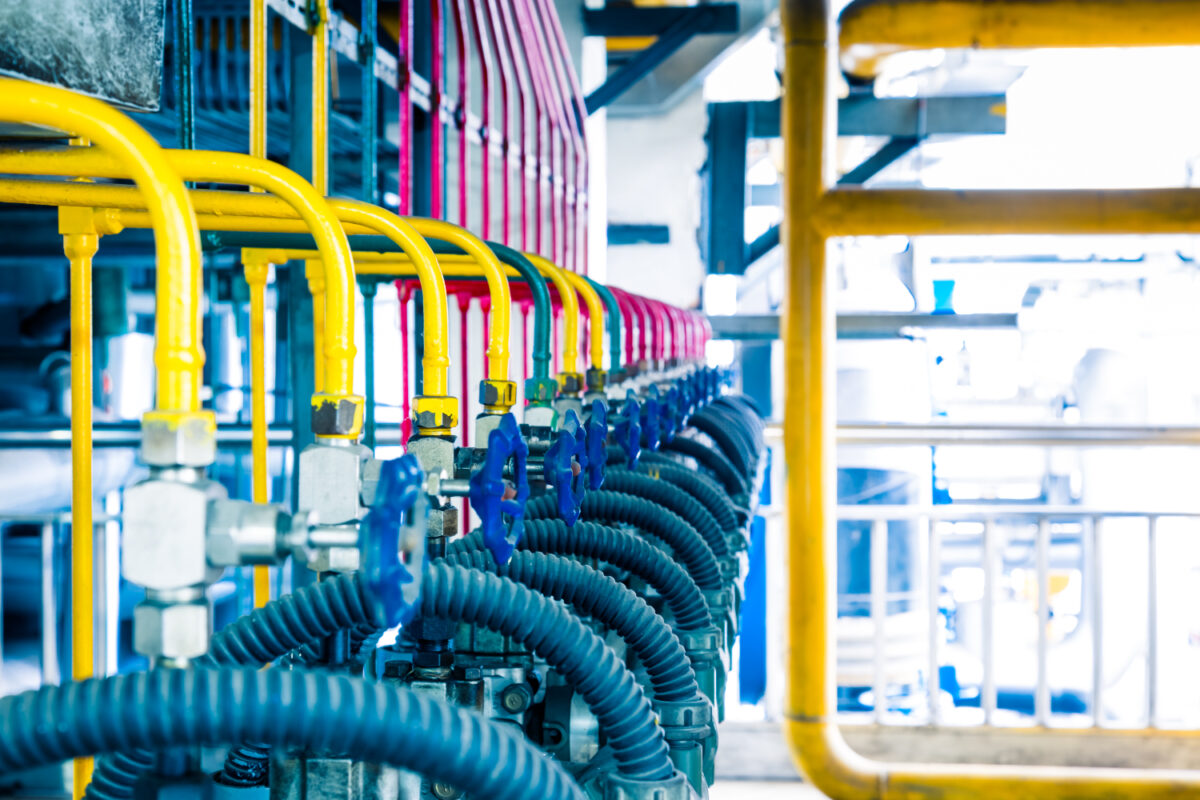
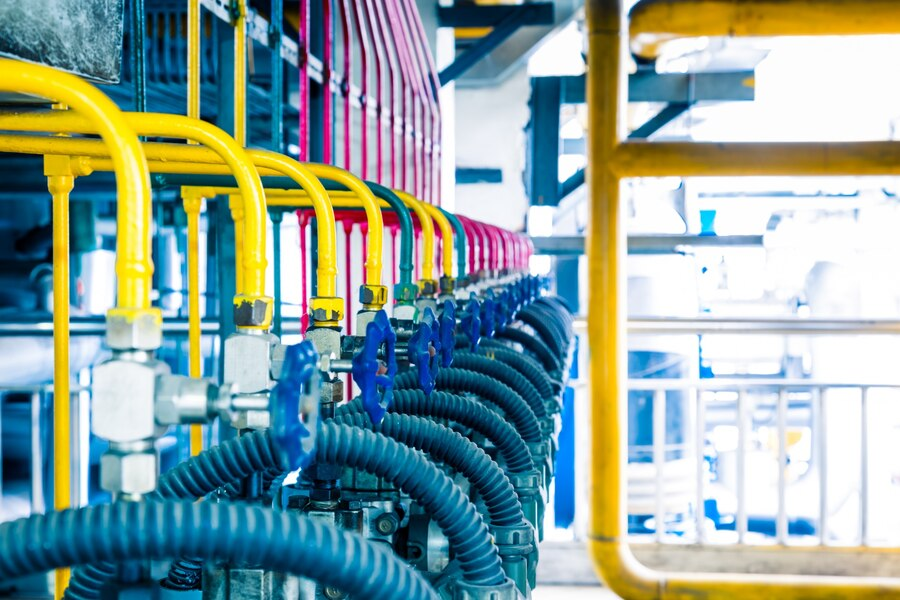
    If you’re managing a commercial gas system, you already know how important it is to choose the right piping. While many materials are available in the market, polyethylene (PE) and steel remain the top choices for their proven reliability and unique advantages. Polyethylene (PE) pipes, made from ethylene gas, are lightweight, flexible, and resistant to corrosion, while steel piping, made from carbon steel or stainless steel, is known for its strength and ability to handle high-pressure applications. Each of these materials comes with specific benefits and challenges, making it essential to evaluate your system’s requirements carefully. Let’s explore them in detail to help you make the best decision for your commercial gas setup.

    Role Of Polyethylene (Pe) Piping In Commercial Gas Systems

    • Safe Gas Transportation

    One of the critical concerns in gas transportation is preventing leaks, as even small leaks can lead to significant safety hazards. PE pipes have exceptional gas-tight properties, preventing any leakage from occurring. Their smooth internal surface reduces the risk of cracks or holes forming, which can be common in other materials, especially those that corrode over time. The welding process used to join PE pipes further ensures there are no potential leak points, providing a secure seal that reduces the risk of gas escaping. This makes PE piping highly reliable in keeping the commercial gas system sealed and safe.

    • Flexibility For Complex Installations

    Polyethylene gas piping is highly flexible due to its molecular structure, which allows it to bend around obstacles without requiring additional fittings or joints. This flexibility reduces the complexity of routing gas lines in areas with tight spaces or difficult terrains, such as underground or areas with irregular landscapes. This adaptability is beneficial in commercial setups with intricate layouts, such as shopping malls or industrial parks, where space constraints demand creative piping configurations. When these systems are planned by qualified commercial utility contractors, they can take full advantage of PE piping’s adaptability to design efficient layouts that save time and resources.

    • Corrosion Resistance

    PE pipes are naturally resistant to corrosion, which is a significant advantage when transporting gas. Unlike metal pipes, which are susceptible to rust and corrosion due to exposure to moisture, PE pipes will not degrade over time, even when exposed to harsh soil conditions. This non-corrosive nature prevents contaminants from entering the gas system, ensuring that the gas remains clean and pure, which is vital for both the safety and longevity of the system.

    Role Of Steel Piping In Commercial Gas Systems

    • Structural Support

    Steel pipes provide superior structural strength compared to polyethylene. They are capable of supporting high internal pressures without risk of deformation or failure. Steel’s tensile strength also makes it suitable for installations that might be exposed to external loads or mechanical forces (e.g., ground-settling heavy traffic areas).

    • Customization And Versatility

    Steel gas piping offers significant customization and versatility for commercial gas systems. It can be tailored in terms of diameter and wall thickness to meet specific pressure and flow requirements, ensuring the pipes are suitable for both small and large-scale applications. Additionally, steel pipes can be coated with special coatings, such as epoxy, for corrosion resistance, enhancing their durability in harsh environments. Its strength also allows easy integration with various valves, fittings, and other components, making it ideal for complex gas systems that require specialized configurations. 

    • Temperature Tolerance

    Steel plays a crucial role in commercial gas systems due to its ability to withstand extreme temperatures, making it suitable for diverse environmental conditions. Its high melting point (1370–1510°C) ensures stability in heated interiors, while its resistance to brittleness at low temperatures makes it reliable in cold outdoor setups. Steel expands predictably under heat, preventing deformation, and retains its tensile strength under high-pressure scenarios. Alloying elements like chromium and nickel enhance its resistance to thermal stress and oxidation. These properties make it indispensable in commercial gas systems requiring consistent performance under fluctuating or extreme temperature conditions.

    Key Considerations When Choosing Between Polyethylene And Steel Piping

    • Budget Constraints

    The initial cost of both materials varies significantly, with polyethylene gas piping generally being the more affordable option. While the upfront cost for PE pipes is lower, it is essential to consider the long-term cost implications. PE piping’s lightweight nature leads to reduced installation costs, as it requires fewer resources and less labor. However, steel gas piping, though more expensive initially, can be a better investment in demanding or high-pressure environments due to its long-lasting durability and resistance to wear, potentially reducing long-term maintenance and replacement costs. The decision often depends on the balance between immediate budget limitations and the system’s expected lifespan, which is where project management roles in commercial construction come into play, ensuring the right materials are chosen to meet both short-term and long-term goals.

    • Ease Of Maintenance

    PE pipes require minimal maintenance once installed. Since they are resistant to corrosion, scaling, and chemical degradation, PE systems are less prone to issues over time, reducing the need for regular inspections or repairs. In contrast, steel pipes may require more frequent maintenance due to their susceptibility to rust and corrosion, especially in exposed environments. Regular inspections, potential repainting, or coating applications might be needed to prevent deterioration in steel systems, adding to their long-term upkeep costs.

    • Resistance To Physical Impact

    Steel pipes are more resistant to physical impacts and external forces due to their rigidity and toughness. In areas where the piping may be exposed to heavy machinery, traffic, or mechanical stress, steel is the preferred choice. Steel can withstand accidental impacts without deforming, while PE pipes, although durable, are more prone to damage under heavy impacts, such as being punctured or bent. 

    • Safety Standards

    Both PE and steel piping adhere to safety regulations for commercial gas systems, but the applications differ. Steel is often chosen for its ability to handle high-pressure systems and extreme conditions, providing an extra margin of safety. PE piping is equally safe in low to medium-pressure systems but must be installed with care to avoid damage during or after installation.

    • Environmental Conditions

    Different environmental conditions can greatly influence the performance of PE and steel pipes. PE piping excels in moist, corrosive, or chemically aggressive environments, such as underground installations or areas where the piping may come into contact with harsh chemicals. Its non-corrosive nature prevents degradation over time. Steel, while strong, is more vulnerable to corrosion, especially in damp or acidic soil. However, steel can be treated with protective coatings (e.g., epoxy) to improve its resistance to corrosion in harsh environments. The decision between the two materials depends on whether the system will be exposed to such conditions and the level of protection needed.

    • Installation And Labor Needs

    Efficient installation is crucial when it comes to Commercial Gas Systems Repair and Parts Installation. As mentioned earlier, PE pipes are lightweight, which helps reduce labor costs and makes installation faster. On the other hand, steel pipes are heavier and require more specialized equipment and extra effort from labor teams, especially in large commercial projects. These additional labor and equipment costs should be carefully considered when choosing between the two materials, particularly for large-scale installations.

    Wrapping Up

    Whether you opt for steel or Polyethylene piping—requires careful consideration of factors like durability, cost, installation needs, and environmental conditions. Each material has distinct advantages and is suited for different applications, but making the best choice depends on understanding your project’s unique requirements.

    At Dub-L-EE, our expertise extends beyond gas systems—we’re also your go-to team for Water Systems Utility Upgrades and the critical Project Management Role In Commercial Construction, providing seamless execution from start to finish.

    [/fusion_text][/fusion_builder_column][/fusion_builder_row][/fusion_builder_container]
  • Top 9 Construction KPIs To Improve Project Profitability

    Top 9 Construction KPIs To Improve Project Profitability

    [fusion_builder_container type=”flex” hundred_percent=”no” equal_height_columns=”no” menu_anchor=”” hide_on_mobile=”small-visibility,medium-visibility,large-visibility” class=”” id=”” background_color=”” background_image=”” background_position=”center center” background_repeat=”no-repeat” fade=”no” background_parallax=”none” parallax_speed=”0.3″ video_mp4=”” video_webm=”” video_ogv=”” video_url=”” video_aspect_ratio=”16:9″ video_loop=”yes” video_mute=”yes” overlay_color=”” video_preview_image=”” border_color=”” border_style=”solid” padding_top=”” padding_bottom=”” padding_left=”” padding_right=””][fusion_builder_row][fusion_builder_column type=”1_1″ layout=”1_1″ background_position=”left top” background_color=”” border_color=”” border_style=”solid” border_position=”all” spacing=”yes” background_image=”” background_repeat=”no-repeat” padding_top=”” padding_right=”” padding_bottom=”” padding_left=”” margin_top=”0px” margin_bottom=”0px” class=”” id=”” animation_type=”” animation_speed=”0.3″ animation_direction=”left” hide_on_mobile=”small-visibility,medium-visibility,large-visibility” center_content=”no” last=”true” min_height=”” hover_type=”none” link=”” border_sizes_top=”” border_sizes_bottom=”” border_sizes_left=”” border_sizes_right=”” first=”true”][fusion_text]

    Are your construction projects achieving the profitability you expect? Do you have a clear view of where time, resources, and money are being well-spent — or wasted? In the construction industry, where even slight inefficiencies can lead to major cost overruns, staying profitable requires more than just good project planning. Monitoring key performance indicators (KPIs) is essential for ensuring that each phase of your project aligns with your financial goals.

    In this article, we’ll explore the Top 9 Construction industry KPIs that can help you assess project efficiency, control costs, and boost profitability. From tracking cash flow to optimizing labor hours, these construction performance indicators offer powerful insights that keep you competitive in a demanding field. Let’s find out which metrics matter most and how they can convert your construction management goals. 

    Top Construction KPIs To Improve Profits And Productivity

    1. Profit

    Profit is the ultimate goal of any commercial construction industry. It indicates how much money the company retains after all costs have been accounted for. Two crucial metrics within this category are Gross Profit Margin and Net Profit Margin.

    -Gross profit margin

    Gross profit margin  = (Sales – COGS) ÷ Sales

    Where COGS includes direct costs like materials and labor, a higher gross profit margin indicates that a construction company is making more money on its projects. By closely monitoring this KPI, companies can identify projects that yield higher margins and prioritize similar work in the future.

    -Net profit margin

    Net profit margin = (Sales – COGS – Operating costs – Interest – Taxes) ÷ Sales

    This metric reflects how much of each dollar earned is actual profit. Keeping an eye on the net profit margin helps businesses adjust pricing strategies and cost management to ensure they maintain healthy profits. A higher net profit margin indicates that a company is generating greater overall profits. Conversely, if a contractor or supplier consistently has a low net profit margin, it may be necessary for them to increase their prices.

    2. Cash flow

    Cash flow is critical for construction businesses, as it enables them to take on new jobs and manage ongoing projects. Even if a construction company is profitable, it may still face challenges if it lacks cash on hand to cover project costs while waiting for payments from previous jobs. Therefore, successful construction businesses will monitor two key construction performance indicators: Net Cash Flow and Projected Cash Flow.

    • Net Cash Flow is a measurement of how much money is moving through a business during a specific period. It is calculated as:

          Net Cash Flow=Cash In (given period)−Cash Out (given period)

    Positive net cash flow indicates that the company is bringing in more cash than it spends, which is essential for sustaining operations and investing in new projects. Contrarily, negative net cash flow means that a business is spending more cash than it generates. Companies with negative cash flow may struggle with accounts receivable and may need to enhance their collection efforts.

    However, negative net cash flow isn’t always bad; if a company has savings or additional cash resources available, it can weather these fluctuations. Besides, construction firms experience negative cash flow during the early stages of aggressive growth before their marketing or business development efforts begin to yield returns.

    • Projected Cash Flow looks ahead to estimate future cash inflows and outflows. This KPI helps construction companies anticipate financial challenges before they arise, allowing them to take proactive measures, such as securing financing or adjusting payment terms with clients.

    3. Cost variance

    Cost variance (CV) measures the difference between the actual cost of a project and the planned budget, helping construction managers track financial performance as the project progresses. Cost variance can be analyzed at any time by taking the percentage of project completion, multiplying it by the planned budget, and then subtracting the actual costs to date. The formula is:

    Cost Variance=(Planned Budget×Percentage of Completion)−Actual Cost

    Breaking down a project into specific scopes or phases allows general contractors to monitor cost variance by subcontractor or task. If any part of the project exceeds the budget, it’s essential to analyze why it went over. This insight can reveal cost drivers like underestimation, unexpected material costs, or labor inefficiencies.

    Construction estimators and project managers can treat cost variance as a valuable learning tool, using it to refine future budgeting and improve cost controls. Monitoring cost variance can also help identify which types of projects or tasks tend to go over budget, allowing the team to make adjustments in project planning or resource allocation, keeping finances on track, and protecting profitability.

    4. Working capital

    As a part of essential construction project KPIs, working capital is a key measure of financial health that shows a company’s ability to cover its immediate expenses. It’s calculated by subtracting current liabilities (what the company owes soon) from current assets (what the company owns and can easily use as cash).

    Working Capital=Current Assets−Current Liabilities

    Current assets include things like cash and accounts receivable, while liabilities cover accounts payable and short-term loans. Generally, higher working capital means the company is in better financial shape.

    If a contractor has negative working capital, it means they don’t have enough cash available to cover current bills. In this case, it’s important to find cash quickly, and contractor financing can offer the short-term funds needed to keep the business running smoothly.

    5. Accounts payable and receivable turnover

    Accounts Receivable: In construction, accounts receivable turnover indicates how quickly a company collects payments from clients. A high turnover ratio (e.g., 10 times a year) suggests effective collection practices, allowing the firm to reinvest cash into ongoing projects or cover operational costs without delay. Conversely, a low ratio could indicate issues with client payments or inefficient billing processes.

    Accounts Payable: This metric measures how quickly a construction company pays its suppliers and subcontractors. A high accounts payable turnover might suggest that a company is managing its cash flow effectively and maintaining good relationships with vendors, while a low turnover could strain those relationships and potentially lead to supply chain disruptions.

    6. Quick ratio

    The quick ratio assesses a construction firm’s ability to meet short-term liabilities using its most liquid assets. For example, if a company has $200,000 in cash and receivables and $150,000 in current liabilities, its quick ratio would be 1.33. This means it can cover its immediate obligations without relying on the sale of inventory (e.g., construction materials). A quick ratio above 1 is generally considered healthy, providing a cushion during unexpected delays in cash inflows.

    7. Planned hours vs. actual

    Comparing planned hours to actual hours worked is vital for understanding labor efficiency in construction projects. For instance, if a project was estimated to take 1,000 hours but actually took 1,200 hours, project managers must analyze why there was a discrepancy. Factors might include inefficient work processes, equipment breakdowns, or underestimated task complexities. This KPI helps identify areas for improvement, ultimately leading to better labor management and cost control.

    8. Percentage of labor downtime

    This KPI measures the proportion of time workers are not actively engaged in productive work. For example, if a crew is scheduled for 40 hours a week but only works 30 hours due to delays or waiting for materials, the labor downtime percentage would be 25%. High downtime can lead to increased project costs and reduced profitability. By analyzing this construction industry KPI, construction managers can pinpoint inefficiencies, improve scheduling, and enhance productivity.

    9. Safety Incident Rate

    Safety is the social responsibility of a trustworthy commercial construction company. That’s why tracking the number of safety incidents (accidents, injuries, or near misses) per 100 workers annually is essential. Given the high-risk nature of construction sites—with heavy machinery, raised work areas, and hazardous materials—maintaining a low incident rate is essential for both employee safety and project profitability. A lower rate reduces project delays, insurance costs, and liability risks. 

    Wrapping Up

    Choosing from construction project KPIs can be challenging, but it helps to start with areas you want to improve while keeping your main goals for success in mind.

    Begin by selecting three to five KPIs from your list and monitor them regularly across a few projects. This strategy will help you see what’s working, identify areas for improvement, and discover new KPIs that can increase productivity and growth. 

    By focusing on a few core KPIs, you’ll gain valuable insights into what’s driving—or dragging down—your projects. And remember, for companies serious about upping their game, leveraging new software to improve productivity isn’t just an option; it’s a necessity. With the right tools and metrics in place, your path to greater profitability is closer than ever.

    [/fusion_text][/fusion_builder_column][/fusion_builder_row][/fusion_builder_container]

  • Commercial Construction Risk Management: 8 Types of Risks and How to Handle Them

    Commercial Construction Risk Management: 8 Types of Risks and How to Handle Them

    [fusion_builder_container type=”flex” hundred_percent=”no” hundred_percent_height=”no” min_height_medium=”” min_height_small=”” min_height=”” hundred_percent_height_scroll=”no” align_content=”stretch” flex_align_items=”flex-start” flex_justify_content=”flex-start” flex_wrap_medium=”” flex_wrap_small=”” flex_wrap=”wrap” flex_column_spacing=”” hundred_percent_height_center_content=”yes” equal_height_columns=”no” container_tag=”div” menu_anchor=”” hide_on_mobile=”small-visibility,medium-visibility,large-visibility” status=”published” publish_date=”” class=”” id=”” spacing_medium=”” margin_top_medium=”” margin_bottom_medium=”” spacing_small=”” margin_top_small=”” margin_bottom_small=”” margin_top=”” margin_bottom=”” padding_dimensions_medium=”” padding_top_medium=”” padding_right_medium=”” padding_bottom_medium=”” padding_left_medium=”” padding_dimensions_small=”” padding_top_small=”” padding_right_small=”” padding_bottom_small=”” padding_left_small=”” padding_top=”” padding_right=”” padding_bottom=”” padding_left=”” link_hover_color=”” link_color=”” border_sizes=”” border_sizes_top=”” border_sizes_right=”” border_sizes_bottom=”” border_sizes_left=”” border_color=”” border_style=”solid” border_radius_top_left=”” border_radius_top_right=”” border_radius_bottom_right=”” border_radius_bottom_left=”” box_shadow=”no” box_shadow_vertical=”” box_shadow_horizontal=”” box_shadow_blur=”0″ box_shadow_spread=”0″ box_shadow_color=”” box_shadow_style=”” z_index=”” overflow=”” background_color_medium=”” background_color_small=”” background_color=”” gradient_start_color=”” gradient_end_color=”” gradient_start_position=”0″ gradient_end_position=”100″ gradient_type=”linear” radial_direction=”center center” linear_angle=”180″ background_image_medium=”” background_image_small=”” background_image=”” skip_lazy_load=”” background_position_medium=”” background_position_small=”” background_position=”center center” background_repeat_medium=”” background_repeat_small=”” background_repeat=”no-repeat” background_size_medium=”” background_size_small=”” background_size=”” background_custom_size=”” background_custom_size_medium=”” background_custom_size_small=”” fade=”no” background_parallax=”none” enable_mobile=”no” parallax_speed=”0.3″ background_blend_mode_medium=”” background_blend_mode_small=”” background_blend_mode=”none” background_slider_images=”” background_slider_position=”” background_slider_skip_lazy_loading=”no” background_slider_loop=”yes” background_slider_pause_on_hover=”no” background_slider_slideshow_speed=”5000″ background_slider_animation=”fade” background_slider_direction=”up” background_slider_animation_speed=”800″ background_slider_blend_mode=”” video_mp4=”” video_webm=”” video_ogv=”” video_url=”” video_aspect_ratio=”16:9″ video_loop=”yes” video_mute=”yes” video_preview_image=”” pattern_bg=”none” pattern_custom_bg=”” pattern_bg_color=”” pattern_bg_style=”default” pattern_bg_opacity=”100″ pattern_bg_size=”” pattern_bg_blend_mode=”normal” mask_bg=”none” mask_custom_bg=”” mask_bg_color=”” mask_bg_accent_color=”” mask_bg_style=”default” mask_bg_opacity=”100″ mask_bg_transform=”left” mask_bg_blend_mode=”normal” render_logics=”” logics=”” absolute=”off” absolute_devices=”small,medium,large” sticky=”off” sticky_devices=”small-visibility,medium-visibility,large-visibility” sticky_background_color=”” sticky_height=”” sticky_offset=”” sticky_transition_offset=”0″ scroll_offset=”0″ animation_type=”” animation_direction=”left” animation_color=”” animation_speed=”0.3″ animation_delay=”0″ animation_offset=”” filter_hue=”0″ filter_saturation=”100″ filter_brightness=”100″ filter_contrast=”100″ filter_invert=”0″ filter_sepia=”0″ filter_opacity=”100″ filter_blur=”0″ filter_hue_hover=”0″ filter_saturation_hover=”100″ filter_brightness_hover=”100″ filter_contrast_hover=”100″ filter_invert_hover=”0″ filter_sepia_hover=”0″ filter_opacity_hover=”100″ filter_blur_hover=”0″ admin_toggled=”no”][fusion_builder_row][fusion_builder_column type=”1_1″ layout=”1_1″ align_self=”auto” content_layout=”column” align_content=”flex-start” valign_content=”flex-start” content_wrap=”wrap” spacing=”” center_content=”no” column_tag=”div” link=”” target=”_self” link_description=”” min_height=”” hide_on_mobile=”small-visibility,medium-visibility,large-visibility” sticky_display=”normal,sticky” class=”” id=”” type_medium=”” type_small=”” flex_grow_medium=”” flex_grow_small=”” flex_grow=”” flex_shrink_medium=”” flex_shrink_small=”” flex_shrink=”” order_medium=”0″ order_small=”0″ dimension_spacing_medium=”” dimension_spacing_small=”” dimension_spacing=”” dimension_margin_medium=”” dimension_margin_small=”” margin_top=”” margin_bottom=”” padding_medium=”” padding_small=”” padding_top=”” padding_right=”” padding_bottom=”” padding_left=”” hover_type=”none” border_sizes=”” border_color_hover=”” border_color=”” border_style=”solid” border_radius=”” box_shadow=”no” dimension_box_shadow=”” box_shadow_blur=”0″ box_shadow_spread=”0″ box_shadow_color=”” box_shadow_style=”” z_index_hover=”” z_index=”” overflow=”” background_type=”single” background_color_medium=”” background_color_small=”” background_color_medium_hover=”” background_color_small_hover=”” background_color_hover=”” background_color=”” gradient_start_color=”” gradient_end_color=”” gradient_start_position=”0″ gradient_end_position=”100″ gradient_type=”linear” radial_direction=”center center” linear_angle=”180″ background_image_medium=”” background_image_small=”” background_image=”” background_image_id_medium=”” background_image_id_small=”” background_image_id=”” lazy_load=”none” skip_lazy_load=”” background_position_medium=”” background_position_small=”” background_position=”left top” background_repeat_medium=”” background_repeat_small=”” background_repeat=”no-repeat” background_size_medium=”” background_size_small=”” background_size=”” background_custom_size=”” background_custom_size_medium=”” background_custom_size_small=”” background_blend_mode_medium=”” background_blend_mode_small=”” background_blend_mode=”none” background_slider_images=”” background_slider_position=”” background_slider_skip_lazy_loading=”no” background_slider_loop=”yes” background_slider_pause_on_hover=”no” background_slider_slideshow_speed=”5000″ background_slider_animation=”fade” background_slider_direction=”up” background_slider_animation_speed=”800″ background_slider_blend_mode=”” render_logics=”” sticky=”off” sticky_devices=”small-visibility,medium-visibility,large-visibility” sticky_offset=”” absolute=”off” absolute_props=”” filter_type=”regular” filter_hover_element=”self” filter_hue=”0″ filter_saturation=”100″ filter_brightness=”100″ filter_contrast=”100″ filter_invert=”0″ filter_sepia=”0″ filter_opacity=”100″ filter_blur=”0″ filter_hue_hover=”0″ filter_saturation_hover=”100″ filter_brightness_hover=”100″ filter_contrast_hover=”100″ filter_invert_hover=”0″ filter_sepia_hover=”0″ filter_opacity_hover=”100″ filter_blur_hover=”0″ transform_type=”regular” transform_hover_element=”self” transform_scale_x=”1″ transform_scale_y=”1″ transform_translate_x=”0″ transform_translate_y=”0″ transform_rotate=”0″ transform_skew_x=”0″ transform_skew_y=”0″ transform_scale_x_hover=”1″ transform_scale_y_hover=”1″ transform_translate_x_hover=”0″ transform_translate_y_hover=”0″ transform_rotate_hover=”0″ transform_skew_x_hover=”0″ transform_skew_y_hover=”0″ transform_origin=”” transition_duration=”300″ transition_easing=”ease” transition_custom_easing=”” motion_effects=”” scroll_motion_devices=”small-visibility,medium-visibility,large-visibility” animation_type=”” animation_direction=”left” animation_color=”” animation_speed=”0.3″ animation_delay=”0″ animation_offset=”” last=”true” border_position=”all” first=”true”][fusion_text columns=”” column_min_width=”” column_spacing=”” rule_style=”” rule_size=”” rule_color=”” hue=”” saturation=”” lightness=”” alpha=”” user_select=”” content_alignment_medium=”” content_alignment_small=”” content_alignment=”” hide_on_mobile=”small-visibility,medium-visibility,large-visibility” sticky_display=”normal,sticky” class=”” id=”” margin_top=”” margin_right=”” margin_bottom=”” margin_left=”” fusion_font_family_text_font=”” fusion_font_variant_text_font=”” font_size=”” line_height=”” letter_spacing=”” text_transform=”” text_color=”” animation_type=”” animation_direction=”left” animation_color=”” animation_speed=”0.3″ animation_delay=”0″ animation_offset=”” logics=””]

    As commercial construction projects become increasingly complex, the likelihood of mishaps is growing significantly. According to the Construction Industry Institute, nearly 70% of projects face delays or budget overruns, primarily due to ineffective risk management. These setbacks can have far-reaching financial consequences, with losses estimated at $31 billion annually in the U.S. alone, as stated by the National Institute of Standards and Technology. With these statistics, it is clear how important risk management is in construction projects.

    With the U.S. construction industry projected to reach approximately $1.5 trillion by 2025, effective risk management strategies are more crucial than ever to protect investments and ensure successful project completion. Therefore, without further delay, let’s examine the critical risks in commercial construction and how to mitigate them.

    Identifying and Mitigating Key Risks in Commercial Construction

    Let’s take a look at the top risks and tips to mitigate them to prevent major issues and ensure projects run smoothly:

    A) Project Management Risks

    According to the Project Management Institute, 14% of projects fail to meet deadlines due to poor management practices. Such failures can lead to increased costs, missed deadlines, and dissatisfied clients.

    The project management role in commercial construction is crucial as it ensures the project’s timely completion within budget and specified quality standards. It encompasses the planning, coordinating, and executing of construction activities involving multiple stakeholders and resources. If these aspects are not done carefully with clear communication, then these inherent challenges can impact the success of your project. Consider the following strategies to manage the associated risks effectively:

    • Thorough Planning: Develop a detailed project plan that outlines objectives, timelines, resources, and responsibilities to ensure all team members are aligned from the outset.
    • Regular Communication: Open lines of communication among stakeholders through regular meetings and updates, ensuring everyone is informed of project progress and potential issues.
    • Use of Project Management Software: Implement project management tools to facilitate task tracking, documentation, and collaboration, helping to identify bottlenecks early.
    • Risk Assessment: Conduct ongoing risk assessments throughout the project lifecycle to proactively identify and mitigate potential challenges.

    B) Safety Risks

    Safety is one of the most critical concerns in risk management in construction projects due to the industry’s notoriously high rates of workplace injuries and fatalities. Common hazards include falls from heights, equipment-related accidents, and exposure to hazardous materials.

    A report from the National Safety Council reveals that construction workers are three times more likely to be injured on the job than workers in other industries. The Council also estimates that workplace injuries cost U.S. businesses $161.5 billion annually in medical expenses, lost wages, and other costs.

    Given the significant financial and human impact, effective safety management reduces injury rates and minimizes costs. By implementing the following safety strategies, construction companies can take a step towards better safety:

    • Comprehensive Safety Training: Provide thorough training for all workers, covering proper equipment use, hazard recognition, and emergency response procedures.
    • Regular Safety Audits: Conduct frequent safety inspections to ensure compliance with OSHA regulations and identify potential hazards on-site.
    • Safety Management System: Establish a structured safety management system that includes safety protocols, reporting procedures, and accountability measures.
    • Personal Protective Equipment (PPE): Ensure that all workers are provided with and trained in adequately using PPE, such as helmets, gloves, goggles, and harnesses.

    C) Financial Risks

    Financial risks in commercial construction can arise from poor budgeting, unexpected cost overruns, changes in project scope, and delays. Inadequate financial planning and mismanagement can lead to cash flow issues, severely impacting a project’s progress and profitability. Fluctuating material costs and interest rate changes exacerbate this risk. If you want to manage risks associated with this effectively, pay attention to the factors mentioned below:

    • Detailed Budgeting: At the start of the project, create a comprehensive and realistic budget that considers all possible expenses, including unforeseen costs.
    • Clear Payment Terms: Establish clear payment terms and schedules in contracts with clients and subcontractors. Ensuring everyone understands when and how payments will be made can help maintain cash flow and prevent financial disputes.
    • Contingency Funds: To cover unexpected costs, set aside a contingency fund, around 10-15% of the project budget.
    • Contractual Provisions for Changes: Include explicit contractual provisions for handling changes in project scope. This can help manage expectations and ensure additional costs are agreed upon and documented before making changes.

    D) Regulatory and Legal Risks

    Regulatory and legal risks stem from non-compliance with local, state, or federal laws, building codes, and industry regulations. These can further cause costly delays, fines, or legal disputes. For instance, building codes in commercial construction dictate the standards for safety, materials, and structural integrity. Failing to meet these leads to severe repercussions, including project halts or mandatory modifications. 

    A 2023 National Institute of Building Sciences report highlights that regulatory complications cause 35% of construction delays. In extreme cases, legal disputes can result in court proceedings, significantly inflating project costs and damaging a company’s reputation. To ensure regulatory compliance at every stage, take care of the following points:

    • Legal Consultation from the Start: Engage construction law experts early in the project to review contracts, permits, and all regulatory requirements to avoid legal disputes later.
    • Training on Regulatory Compliance: Provide training programs for project managers and workers, focusing on current legal and regulatory requirements to ensure everyone understands their compliance responsibilities.
    • Regular Compliance Audits: Conduct internal and external audits throughout the project to ensure all aspects comply with relevant regulations.
    • Ensure Proper Permits and Licenses: Obtain all necessary permits and licenses at the early stages of the project to avoid delays, fines, or legal actions.
    • Clear Contract Clauses for Legal Disputes: Include well-defined clauses in contracts that address potential legal disputes and outline procedures for handling delays or non-compliance issues.
    • Engagement with Regulatory Authorities: Maintain communication with local authorities and inspectors to streamline the permitting process and ensure ongoing compliance with all regulatory needs.

    E) Supply Chain Disruptions

    When supply chains are disrupted, construction projects face idle labor and equipment, leading to increased overhead costs and potential project completion delays. A report by the Associated General Contractors of America (AGC) in 2023 revealed that 75% of contractors experienced project delays due to supply chain disruptions. 

    These delays strain client relationships and can result in penalties for late delivery and damage to a company’s reputation. Commercial construction firms can better navigate supply chain disruptions by adopting the following strategies:

    • Diversification of Suppliers: Establish relationships with multiple suppliers to reduce dependence on a single source. 
    • Buffer Stock and Inventory Management: Maintain an inventory of critical materials to buffer against potential shortages. By keeping a reserve stock of essential items, companies can minimize the impact of sudden supply chain interruptions.
    • Agility in Project Scheduling: Build flexibility into project schedules to accommodate potential delays in material delivery. This can include sequencing tasks to allow adjustments when certain materials are unavailable, minimizing downtime, and keeping the project on track.
    • Local Sourcing: Whenever possible, prioritize local suppliers to reduce transportation times and costs. Local sourcing can enhance responsiveness and decrease the impact of long-distance supply chain disruptions, particularly during emergencies or logistical challenges.

    F) Design and Engineering Errors

    Errors during the initial design or engineering phase can cause structural issues, misalignments, or the use of incorrect materials. These errors typically surface during construction, leading to costly rework and legal disputes. According to the American Society of Civil Engineers (ASCE), design-related errors are responsible for nearly 20% of project delays. Beyond time loss, these errors can increase material waste and require additional resources to correct. To cope with this situation, consider the following strategies:

    • Thorough Review Process: Implement a comprehensive review process for all design documents and engineering plans. Engage multiple stakeholders, including architects, engineers, and contractors, to review designs collaboratively and identify potential issues before construction begins.
    • Utilization of Building Information Modeling: Follow Building Information Modeling (BIM) technology to create detailed 3D models of the project. BIM allows for better design visualization, helping identify conflicts and design flaws early in the process.
    • Regular Design Updates and Feedback: Schedule regular design review meetings throughout the project lifecycle to gather feedback and make necessary adjustments. Engaging stakeholders during these updates can help catch potential errors early.
    • Engaging Experienced Professionals: Ensure qualified and experienced professionals are involved in the design and engineering phases. Their expertise can help minimize errors and improve overall project quality.

    G) Labor Shortages

    The U.S. Bureau of Labor Statistics projected a 12% increase in demand for construction labor between 2022 and 2030, intensifying the labor shortage issue. 

    As skilled labor demand continues to rise, particularly in commercial construction, companies need help finding qualified workers for specialized tasks. This shortage can increase labor costs, push back project timelines, and sometimes force the hiring of less experienced workers, impacting the work’s quality. Construction management projects are often forced to extend schedules without sufficient skilled workers, increasing overhead costs. Consider implementing on points listed below to reduce labor shortages:

    • Better Wages and Benefits: Offering competitive wages and benefits, like medical insurance, retirement plans, and more, for attracting and retaining skilled workers.
    • Training and Development: Provide training programs to upskill current workers and expand their abilities to fill gaps where skilled labor is scarce.
    • Partnerships with Trade Schools: Collaborate with trade schools to ensure a steady supply of new skilled labor entering the industry.

    H) Environmental Risks

    These mainly arise from weather-related delays and natural disasters, significantly impacting project timelines, costs, and overall success. Adverse weather conditions—such as heavy rain, snow, extreme heat, or high winds—can halt construction activities. Also, natural disasters, including earthquakes, floods, hurricanes, and wildfires, can further disrupt construction projects. These events can damage existing structures, delay material deliveries, and necessitate significant repairs before work can resume. 

    According to a Federal Emergency Management Agency report, weather-related disasters have led to a notable increase in construction delays, with a 40% rise over the past five years. Here are several effective  construction risk control strategies to mitigate these risks:

    • Conduct Environmental Impact Assessments: Before starting any project, thoroughly understand potential environmental factors that could affect construction.
    • Monitor Weather Conditions: Use weather forecasting tools and services to stay updated on conditions that may affect construction. Planning work around forecasted weather can help avoid delays.
    • Develop Contingency Plans: Prepare plans for potential natural disasters. This includes having evacuation procedures, securing materials, and ensuring safety measures are in place.

    Final Words

    These are some of the top risks that impact the completion of commercial construction. Construction management strategies tailored to each risk can mitigate potential setbacks and ensure the project’s success. Partnering with experienced contractors is essential for more effective construction risk control. These professionals are well-versed in these critical factors that influence project success and proactively address them throughout the process. 

    Consider hiring Dub-L-EE if you are looking for new building construction or specialized commercial and institutional construction. As one of Albuquerque’s leading commercial contractors, we excel in delivering quality and professionalism across all facets of construction.

    [/fusion_text][/fusion_builder_column][/fusion_builder_row][/fusion_builder_container]
  • Water Systems Utility Upgrades: Maximizing Efficiency for Your Commercial Property

    Water Systems Utility Upgrades: Maximizing Efficiency for Your Commercial Property

    [fusion_builder_container type=”flex” hundred_percent=”no” hundred_percent_height=”no” min_height_medium=”” min_height_small=”” min_height=”” hundred_percent_height_scroll=”no” align_content=”stretch” flex_align_items=”flex-start” flex_justify_content=”flex-start” flex_wrap_medium=”” flex_wrap_small=”” flex_wrap=”wrap” flex_column_spacing=”” hundred_percent_height_center_content=”yes” equal_height_columns=”no” container_tag=”div” menu_anchor=”” hide_on_mobile=”small-visibility,medium-visibility,large-visibility” status=”published” publish_date=”” class=”” id=”” spacing_medium=”” margin_top_medium=”” margin_bottom_medium=”” spacing_small=”” margin_top_small=”” margin_bottom_small=”” margin_top=”” margin_bottom=”” padding_dimensions_medium=”” padding_top_medium=”” padding_right_medium=”” padding_bottom_medium=”” padding_left_medium=”” padding_dimensions_small=”” padding_top_small=”” padding_right_small=”” padding_bottom_small=”” padding_left_small=”” padding_top=”” padding_right=”” padding_bottom=”” padding_left=”” link_hover_color=”” link_color=”” border_sizes=”” border_sizes_top=”” border_sizes_right=”” border_sizes_bottom=”” border_sizes_left=”” border_color=”” border_style=”solid” border_radius_top_left=”” border_radius_top_right=”” border_radius_bottom_right=”” border_radius_bottom_left=”” box_shadow=”no” box_shadow_vertical=”” box_shadow_horizontal=”” box_shadow_blur=”0″ box_shadow_spread=”0″ box_shadow_color=”” box_shadow_style=”” z_index=”” overflow=”” background_color_medium=”” background_color_small=”” background_color=”” gradient_start_color=”” gradient_end_color=”” gradient_start_position=”0″ gradient_end_position=”100″ gradient_type=”linear” radial_direction=”center center” linear_angle=”180″ background_image_medium=”” background_image_small=”” background_image=”” skip_lazy_load=”” background_position_medium=”” background_position_small=”” background_position=”center center” background_repeat_medium=”” background_repeat_small=”” background_repeat=”no-repeat” background_size_medium=”” background_size_small=”” background_size=”” background_custom_size=”” background_custom_size_medium=”” background_custom_size_small=”” fade=”no” background_parallax=”none” enable_mobile=”no” parallax_speed=”0.3″ background_blend_mode_medium=”” background_blend_mode_small=”” background_blend_mode=”none” background_slider_images=”” background_slider_position=”” background_slider_skip_lazy_loading=”no” background_slider_loop=”yes” background_slider_pause_on_hover=”no” background_slider_slideshow_speed=”5000″ background_slider_animation=”fade” background_slider_direction=”up” background_slider_animation_speed=”800″ background_slider_blend_mode=”” video_mp4=”” video_webm=”” video_ogv=”” video_url=”” video_aspect_ratio=”16:9″ video_loop=”yes” video_mute=”yes” video_preview_image=”” pattern_bg=”none” pattern_custom_bg=”” pattern_bg_color=”” pattern_bg_style=”default” pattern_bg_opacity=”100″ pattern_bg_size=”” pattern_bg_blend_mode=”normal” mask_bg=”none” mask_custom_bg=”” mask_bg_color=”” mask_bg_accent_color=”” mask_bg_style=”default” mask_bg_opacity=”100″ mask_bg_transform=”left” mask_bg_blend_mode=”normal” render_logics=”” logics=”” absolute=”off” absolute_devices=”small,medium,large” sticky=”off” sticky_devices=”small-visibility,medium-visibility,large-visibility” sticky_background_color=”” sticky_height=”” sticky_offset=”” sticky_transition_offset=”0″ scroll_offset=”0″ animation_type=”” animation_direction=”left” animation_color=”” animation_speed=”0.3″ animation_delay=”0″ animation_offset=”” filter_hue=”0″ filter_saturation=”100″ filter_brightness=”100″ filter_contrast=”100″ filter_invert=”0″ filter_sepia=”0″ filter_opacity=”100″ filter_blur=”0″ filter_hue_hover=”0″ filter_saturation_hover=”100″ filter_brightness_hover=”100″ filter_contrast_hover=”100″ filter_invert_hover=”0″ filter_sepia_hover=”0″ filter_opacity_hover=”100″ filter_blur_hover=”0″ admin_toggled=”no”][fusion_builder_row][fusion_builder_column type=”1_1″ layout=”1_1″ align_self=”auto” content_layout=”column” align_content=”flex-start” valign_content=”flex-start” content_wrap=”wrap” spacing=”” center_content=”no” column_tag=”div” link=”” target=”_self” link_description=”” min_height=”” hide_on_mobile=”small-visibility,medium-visibility,large-visibility” sticky_display=”normal,sticky” class=”” id=”” type_medium=”” type_small=”” flex_grow_medium=”” flex_grow_small=”” flex_grow=”” flex_shrink_medium=”” flex_shrink_small=”” flex_shrink=”” order_medium=”0″ order_small=”0″ dimension_spacing_medium=”” dimension_spacing_small=”” dimension_spacing=”” dimension_margin_medium=”” dimension_margin_small=”” margin_top=”” margin_bottom=”” padding_medium=”” padding_small=”” padding_top=”” padding_right=”” padding_bottom=”” padding_left=”” hover_type=”none” border_sizes=”” border_color_hover=”” border_color=”” border_style=”solid” border_radius=”” box_shadow=”no” dimension_box_shadow=”” box_shadow_blur=”0″ box_shadow_spread=”0″ box_shadow_color=”” box_shadow_style=”” z_index_hover=”” z_index=”” overflow=”” background_type=”single” background_color_medium=”” background_color_small=”” background_color_medium_hover=”” background_color_small_hover=”” background_color_hover=”” background_color=”” gradient_start_color=”” gradient_end_color=”” gradient_start_position=”0″ gradient_end_position=”100″ gradient_type=”linear” radial_direction=”center center” linear_angle=”180″ background_image_medium=”” background_image_small=”” background_image=”” background_image_id_medium=”” background_image_id_small=”” background_image_id=”” lazy_load=”none” skip_lazy_load=”” background_position_medium=”” background_position_small=”” background_position=”left top” background_repeat_medium=”” background_repeat_small=”” background_repeat=”no-repeat” background_size_medium=”” background_size_small=”” background_size=”” background_custom_size=”” background_custom_size_medium=”” background_custom_size_small=”” background_blend_mode_medium=”” background_blend_mode_small=”” background_blend_mode=”none” background_slider_images=”” background_slider_position=”” background_slider_skip_lazy_loading=”no” background_slider_loop=”yes” background_slider_pause_on_hover=”no” background_slider_slideshow_speed=”5000″ background_slider_animation=”fade” background_slider_direction=”up” background_slider_animation_speed=”800″ background_slider_blend_mode=”” render_logics=”” sticky=”off” sticky_devices=”small-visibility,medium-visibility,large-visibility” sticky_offset=”” absolute=”off” absolute_props=”” filter_type=”regular” filter_hover_element=”self” filter_hue=”0″ filter_saturation=”100″ filter_brightness=”100″ filter_contrast=”100″ filter_invert=”0″ filter_sepia=”0″ filter_opacity=”100″ filter_blur=”0″ filter_hue_hover=”0″ filter_saturation_hover=”100″ filter_brightness_hover=”100″ filter_contrast_hover=”100″ filter_invert_hover=”0″ filter_sepia_hover=”0″ filter_opacity_hover=”100″ filter_blur_hover=”0″ transform_type=”regular” transform_hover_element=”self” transform_scale_x=”1″ transform_scale_y=”1″ transform_translate_x=”0″ transform_translate_y=”0″ transform_rotate=”0″ transform_skew_x=”0″ transform_skew_y=”0″ transform_scale_x_hover=”1″ transform_scale_y_hover=”1″ transform_translate_x_hover=”0″ transform_translate_y_hover=”0″ transform_rotate_hover=”0″ transform_skew_x_hover=”0″ transform_skew_y_hover=”0″ transform_origin=”” transition_duration=”300″ transition_easing=”ease” transition_custom_easing=”” motion_effects=”” scroll_motion_devices=”small-visibility,medium-visibility,large-visibility” animation_type=”” animation_direction=”left” animation_color=”” animation_speed=”0.3″ animation_delay=”0″ animation_offset=”” last=”true” border_position=”all” first=”true”][fusion_text columns=”” column_min_width=”” column_spacing=”” rule_style=”” rule_size=”” rule_color=”” hue=”” saturation=”” lightness=”” alpha=”” user_select=”” content_alignment_medium=”” content_alignment_small=”” content_alignment=”” hide_on_mobile=”small-visibility,medium-visibility,large-visibility” sticky_display=”normal,sticky” class=”” id=”” margin_top=”” margin_right=”” margin_bottom=”” margin_left=”” fusion_font_family_text_font=”” fusion_font_variant_text_font=”” font_size=”” line_height=”” letter_spacing=”” text_transform=”” text_color=”” animation_type=”” animation_direction=”left” animation_color=”” animation_speed=”0.3″ animation_delay=”0″ animation_offset=”” logics=””]As water scarcity intensifies and costs continue escalating, businesses must be acutely aware of how their water consumption impacts their overall efficiency and financial performance. Inefficient or outdated water systems can lead to skyrocketing utility bills, significant wastage, and a range of challenges that ultimately undermine profitability.

    With water costs increasing significantly—averaging a 41% rise over the past decade—businesses must prioritize modern water systems utility upgrades to control expenses. These upgrades involve implementing advanced technologies and systems that optimize water usage, reduce wastage, and improve overall performance. Let’s discuss in detail how these utility upgrades can boost the efficiency of your commercial property!

    Popular Water System Utilities Upgrades 

    Below, we have enlisted the most popular upgrade options:

      1. Backflow Preventers
        Backflow preventers protect potable water from contamination by stopping water from flowing backward. They prevent the reverse flow of water caused by pressure changes in the water system, ensuring that clean water remains uncontaminated. By installing backflow preventers, businesses comply with local health regulations and safeguard public health.
      2. Water Meters
        With advanced metering technology, users can receive real-time data on their water usage, facilitating proactive management and conservation efforts. This upgrade helps control costs and encourages sustainable practices by raising awareness of water consumption levels.
      3. Pump Stations
        Booster pump stations are vital for maintaining consistent water pressure across a property, especially in high-demand situations. These stations enhance the overall efficiency of the water supply system, ensuring that water is readily available even in multi-story buildings and extensive commercial facilities. By providing adequate pressure, booster pumps help avoid issues like low flow rates and inadequate supply during peak times.
      4. Isolation Valves
        Isolation valves play a crucial role in water management by allowing system sections to be shut off for maintenance or emergencies without disrupting the entire system. Installing modern isolation valves improves the overall reliability of water systems, facilitates quicker repairs, and reduces the risk of water loss during maintenance activities.
      5. Pressure Regulators
        These are devices designed to maintain optimal water pressure within a plumbing system, ensuring consistent performance and protecting infrastructure. For example, pressure-reducing valves help control excess pressure and protect pipes, fixtures, and appliances from damage like leaks and bursts caused by pressure fluctuations.Similar to PRVs, pressure-regulating valves maintain optimal water pressure by automatically adjusting pressure based on demand. They prevent overpressurization, which can lead to leaks and equipment failure.
      6. Post Indicator Valves
        Post-indicator valves are essential components for managing water flow in fire protection systems. They allow quick access to shut off the water supply during emergencies or maintenance, enhancing safety and efficiency. These valves are visible and easy to operate, ensuring that water control is efficient and reliable.
      7. Relief Valves
        These valves are crucial for preventing excessive pressure build-up in water systems. By automatically releasing water when the pressure exceeds a safe level, they protect pipes, fixtures, and equipment from damage. Installing relief valves ensures system longevity, reduces maintenance costs, and enhances the safety of your commercial property’s water system.

    Benefits of Water System Utility Upgrades for Commercial Properties

    Now, you have a list of the top water systems utility upgrade options to consider. Before hiring a professional for the upgrades—have a look at the benefits you and your commercial property will get with these:

      1. Reduced Water Consumption
        Upgrading to modern water systems can reduce overall water consumption by as much as 30%. Advanced technologies help monitor and optimize usage, leading to significant savings on utility bills.
      2. Lower Utility Costs
        As water rates continue to rise, implementing utility upgrades can mitigate monthly expenses. Businesses can effectively manage their water costs by reducing consumption and minimizing leaks, improving profitability.
      3. Improved Water Quality
        Modern filtration and treatment systems enhance water quality by removing contaminants, sediment, and harmful bacteria. This ensures compliance with health regulations and provides clean, safe water for employees and customers.
      4. Environmental Sustainability
        Upgraded systems contribute to environmental conservation by reducing water consumption and waste. As a result of reducing their carbon footprint, businesses can attract more customers towards their company who value sustainable practices.
      5. Compliance with Regulations
        As water conservation regulations become stricter, upgraded systems ensure compliance with local and federal standards. In this way, the risks of fines and legal implications associated with outdated systems are reduced.
      6. Improved Water Pressure
        Upgrading plumbing and fixtures can enhance water pressure, ensuring adequate supply for various applications. Improved pressure benefits everything from restroom facilities to industrial processes, increasing productivity.
      7. Increased Safety
        Modern water systems minimize the risk of contamination and waterborne illnesses, ensuring a safe environment for employees and customers. Upgraded systems comply with safety standards, protecting public health.

    How to Choose the Right Professional for Water System Utility Upgrades 

    Selecting the right professional for your water systems utility upgrades is essential as it directly influences the success of your project. Consider the following points to ensure that you choose the right contractor for your project:

        • Look for professionals who have successfully completed similar projects and can demonstrate a deep understanding of various water system technologies.
        • A reputable contractor should provide a comprehensive proposal outlining the scope of work, timelines, and costs involved. This level of transparency helps you understand what to expect and aids in budget planning.
        • Choose a contractor who communicates openly and effectively. A professional who keeps you informed throughout the process meets your needs and expectations. 

    Lastly, understanding building codes in commercial construction is essential for compliance and safety. Selecting an experienced expert ensures that your upgrades meet the necessary regulations and standards. Remember, an expert installation can open the door to numerous advantages, enhancing efficiency and sustainability. Conversely, selecting the wrong professional can result in costly errors and significant headaches, jeopardizing your investment and operational effectiveness. 

    Final Words

    Upgrading your water system utilities is essential for achieving commercial property sustainability. So, if you are looking for reliable commercial utility contractors in Albuquerque, contact Dub-L-EE. Being in the industry since 2012, our expert utility crew handles every aspect with precision and dedication—from pump station to pressure regulator installation. In addition to installation, our commercial utility contractors manage other utility services related to water systems, including repairs, inspections, and removal.[/fusion_text][/fusion_builder_column][/fusion_builder_row][/fusion_builder_container]

  • IoT Impact on Monitoring and Controlling Commercial Utility

    IoT Impact on Monitoring and Controlling Commercial Utility

    [fusion_builder_container type=”flex” hundred_percent=”no” hundred_percent_height=”no” min_height_medium=”” min_height_small=”” min_height=”” hundred_percent_height_scroll=”no” align_content=”stretch” flex_align_items=”flex-start” flex_justify_content=”flex-start” flex_wrap_medium=”” flex_wrap_small=”” flex_wrap=”wrap” flex_column_spacing=”” hundred_percent_height_center_content=”yes” equal_height_columns=”no” container_tag=”div” menu_anchor=”” hide_on_mobile=”small-visibility,medium-visibility,large-visibility” status=”published” publish_date=”” class=”” id=”” spacing_medium=”” margin_top_medium=”” margin_bottom_medium=”” spacing_small=”” margin_top_small=”” margin_bottom_small=”” margin_top=”” margin_bottom=”” padding_dimensions_medium=”” padding_top_medium=”” padding_right_medium=”” padding_bottom_medium=”” padding_left_medium=”” padding_dimensions_small=”” padding_top_small=”” padding_right_small=”” padding_bottom_small=”” padding_left_small=”” padding_top=”” padding_right=”” padding_bottom=”” padding_left=”” link_hover_color=”” link_color=”” border_sizes=”” border_sizes_top=”” border_sizes_right=”” border_sizes_bottom=”” border_sizes_left=”” border_color=”” border_style=”solid” border_radius_top_left=”” border_radius_top_right=”” border_radius_bottom_right=”” border_radius_bottom_left=”” box_shadow=”no” box_shadow_vertical=”” box_shadow_horizontal=”” box_shadow_blur=”0″ box_shadow_spread=”0″ box_shadow_color=”” box_shadow_style=”” z_index=”” overflow=”” background_color_medium=”” background_color_small=”” background_color=”” gradient_start_color=”” gradient_end_color=”” gradient_start_position=”0″ gradient_end_position=”100″ gradient_type=”linear” radial_direction=”center center” linear_angle=”180″ background_image_medium=”” background_image_small=”” background_image=”” skip_lazy_load=”” background_position_medium=”” background_position_small=”” background_position=”center center” background_repeat_medium=”” background_repeat_small=”” background_repeat=”no-repeat” background_size_medium=”” background_size_small=”” background_size=”” background_custom_size=”” background_custom_size_medium=”” background_custom_size_small=”” fade=”no” background_parallax=”none” enable_mobile=”no” parallax_speed=”0.3″ background_blend_mode_medium=”” background_blend_mode_small=”” background_blend_mode=”none” background_slider_images=”” background_slider_position=”” background_slider_skip_lazy_loading=”no” background_slider_loop=”yes” background_slider_pause_on_hover=”no” background_slider_slideshow_speed=”5000″ background_slider_animation=”fade” background_slider_direction=”up” background_slider_animation_speed=”800″ background_slider_blend_mode=”” video_mp4=”” video_webm=”” video_ogv=”” video_url=”” video_aspect_ratio=”16:9″ video_loop=”yes” video_mute=”yes” video_preview_image=”” pattern_bg=”none” pattern_custom_bg=”” pattern_bg_color=”” pattern_bg_style=”default” pattern_bg_opacity=”100″ pattern_bg_size=”” pattern_bg_blend_mode=”normal” mask_bg=”none” mask_custom_bg=”” mask_bg_color=”” mask_bg_accent_color=”” mask_bg_style=”default” mask_bg_opacity=”100″ mask_bg_transform=”left” mask_bg_blend_mode=”normal” render_logics=”” logics=”” absolute=”off” absolute_devices=”small,medium,large” sticky=”off” sticky_devices=”small-visibility,medium-visibility,large-visibility” sticky_background_color=”” sticky_height=”” sticky_offset=”” sticky_transition_offset=”0″ scroll_offset=”0″ animation_type=”” animation_direction=”left” animation_color=”” animation_speed=”0.3″ animation_delay=”0″ animation_offset=”” filter_hue=”0″ filter_saturation=”100″ filter_brightness=”100″ filter_contrast=”100″ filter_invert=”0″ filter_sepia=”0″ filter_opacity=”100″ filter_blur=”0″ filter_hue_hover=”0″ filter_saturation_hover=”100″ filter_brightness_hover=”100″ filter_contrast_hover=”100″ filter_invert_hover=”0″ filter_sepia_hover=”0″ filter_opacity_hover=”100″ filter_blur_hover=”0″][fusion_builder_row][fusion_builder_column type=”1_1″ layout=”1_1″ align_self=”auto” content_layout=”column” align_content=”flex-start” valign_content=”flex-start” content_wrap=”wrap” spacing=”” center_content=”no” column_tag=”div” link=”” target=”_self” link_description=”” min_height=”” hide_on_mobile=”small-visibility,medium-visibility,large-visibility” sticky_display=”normal,sticky” class=”” id=”” type_medium=”” type_small=”” flex_grow_medium=”” flex_grow_small=”” flex_grow=”” flex_shrink_medium=”” flex_shrink_small=”” flex_shrink=”” order_medium=”0″ order_small=”0″ dimension_spacing_medium=”” dimension_spacing_small=”” dimension_spacing=”” dimension_margin_medium=”” dimension_margin_small=”” margin_top=”” margin_bottom=”” padding_medium=”” padding_small=”” padding_top=”” padding_right=”” padding_bottom=”” padding_left=”” hover_type=”none” border_sizes=”” border_color_hover=”” border_color=”” border_style=”solid” border_radius=”” box_shadow=”no” dimension_box_shadow=”” box_shadow_blur=”0″ box_shadow_spread=”0″ box_shadow_color=”” box_shadow_style=”” z_index_hover=”” z_index=”” overflow=”” background_type=”single” background_color_medium=”” background_color_small=”” background_color_medium_hover=”” background_color_small_hover=”” background_color_hover=”” background_color=”” gradient_start_color=”” gradient_end_color=”” gradient_start_position=”0″ gradient_end_position=”100″ gradient_type=”linear” radial_direction=”center center” linear_angle=”180″ background_image_medium=”” background_image_small=”” background_image=”” background_image_id_medium=”” background_image_id_small=”” background_image_id=”” lazy_load=”none” skip_lazy_load=”” background_position_medium=”” background_position_small=”” background_position=”left top” background_repeat_medium=”” background_repeat_small=”” background_repeat=”no-repeat” background_size_medium=”” background_size_small=”” background_size=”” background_custom_size=”” background_custom_size_medium=”” background_custom_size_small=”” background_blend_mode_medium=”” background_blend_mode_small=”” background_blend_mode=”none” background_slider_images=”” background_slider_position=”” background_slider_skip_lazy_loading=”no” background_slider_loop=”yes” background_slider_pause_on_hover=”no” background_slider_slideshow_speed=”5000″ background_slider_animation=”fade” background_slider_direction=”up” background_slider_animation_speed=”800″ background_slider_blend_mode=”” render_logics=”” sticky=”off” sticky_devices=”small-visibility,medium-visibility,large-visibility” sticky_offset=”” absolute=”off” absolute_props=”” filter_type=”regular” filter_hover_element=”self” filter_hue=”0″ filter_saturation=”100″ filter_brightness=”100″ filter_contrast=”100″ filter_invert=”0″ filter_sepia=”0″ filter_opacity=”100″ filter_blur=”0″ filter_hue_hover=”0″ filter_saturation_hover=”100″ filter_brightness_hover=”100″ filter_contrast_hover=”100″ filter_invert_hover=”0″ filter_sepia_hover=”0″ filter_opacity_hover=”100″ filter_blur_hover=”0″ transform_type=”regular” transform_hover_element=”self” transform_scale_x=”1″ transform_scale_y=”1″ transform_translate_x=”0″ transform_translate_y=”0″ transform_rotate=”0″ transform_skew_x=”0″ transform_skew_y=”0″ transform_scale_x_hover=”1″ transform_scale_y_hover=”1″ transform_translate_x_hover=”0″ transform_translate_y_hover=”0″ transform_rotate_hover=”0″ transform_skew_x_hover=”0″ transform_skew_y_hover=”0″ transform_origin=”” transition_duration=”300″ transition_easing=”ease” transition_custom_easing=”” motion_effects=”” scroll_motion_devices=”small-visibility,medium-visibility,large-visibility” animation_type=”” animation_direction=”left” animation_color=”” animation_speed=”0.3″ animation_delay=”0″ animation_offset=”” last=”true” border_position=”all” first=”true”][fusion_text columns=”” column_min_width=”” column_spacing=”” rule_style=”” rule_size=”” rule_color=”” hue=”” saturation=”” lightness=”” alpha=”” user_select=”” content_alignment_medium=”” content_alignment_small=”” content_alignment=”” hide_on_mobile=”small-visibility,medium-visibility,large-visibility” sticky_display=”normal,sticky” class=”” id=”” margin_top=”” margin_right=”” margin_bottom=”” margin_left=”” fusion_font_family_text_font=”” fusion_font_variant_text_font=”” font_size=”” line_height=”” letter_spacing=”” text_transform=”” text_color=”” animation_type=”” animation_direction=”left” animation_color=”” animation_speed=”0.3″ animation_delay=”0″ animation_offset=”” logics=””]

    Have you ever wondered how businesses manage their commercial utilities in real time? The answer lies in the Internet of Things (IoT). It has had a big impact on the commercial sector in managing water systems, gas systems, sewer lines, HVAC systems, pipe bursting, and other factors. Through these devices, collecting data becomes easier for companies, helping them to make informed decisions, easily spot issues, and contribute towards proactive issue resolution. If you also want to monitor and control commercial utility issues smartly with IoT’s help, continue reading.

    Understanding IoT

    The term Internet of Things (IoT) was created in 1999 by a computer scientist at Procter & Gamble. It is a technological platform for communication between physical objects between humans and machines, as well as machine-to-machine communication via the Internet. Within the IoT ecosystem, objects can be divided into two categories:

    Smart Objects:

    Smart objects are intelligent entities capable of communicating, reacting, and recognizing other objects, thus minimizing the need for direct human interaction in various systems. These objects have physical shapes, communication abilities, specific names and addresses, processing capabilities, and sensing functions. For example, smartphones, smart appliances, and microcontrollers like Arduino. These devices can monitor and control utility usage, detect leaks, and improve workings.

    Non-Smart Objects:

    On the other hand, non-smart objects lack these capabilities and cannot interact or communicate within a network. They rely on external systems or need manual control and monitoring.

    Impact of Iot On Monitoring And Controlling Commercial Utility 

    1. Water Management

    IoT has improved water management in commercial buildings. Smart water meters and leak detection sensors provide real-time data on water consumption and detect leaks early. Through these systems, it becomes easy for businesses to monitor water usage across different areas. This not only helps in reducing water wastage but also in preventing damage caused by leaks, which can be costly to repair.

    For commercial properties with wide landscaping, IoT-enabled irrigation systems adjust watering schedules based on weather forecasts and soil moisture levels. This conserves water and maintains the health of the landscape, which can enhance the property’s aesthetics and value. Commercial construction services often incorporate these advanced IoT solutions to ensure efficient water management, which is particularly important in areas where water is scarce, and conservation is essential.

    2. Sewer Lines and Storm Systems

    Sewer lines and storm systems are necessary for managing wastewater and preventing flooding. IoT in utilities industry has evolved to provide smart monitoring that can give real-time data on the condition and flow of these systems.

    Sewer Lines: IoT sensors can be placed in sewer lines to observe flow rates, measure the levels of waste and much more. This real-time data helps in identifying issues before they convert into major problems. For instance, early detection of blockages can prevent overflows and backups, which otherwsie can cause damage and even pose several health risks. 

    Storm Systems: IoT devices monitor rainwater levels, flow rates, and the condition of storm drains. This information helps in managing stormwater more effectively, predicting flooding events, and coordinating responses. 

    3. Pipe Bursting

    Pipe bursting is a trenchless technology used for replacing old or damaged pipes without excavation. With the help of IoT sensors, it’s easy to check the condition of existing pipes and identify areas that require replacement. Additionally, the implementation of AI in the utilities industry enhances this process by analyzing data from IoT sensors to predict potential failures and optimize replacement schedules. 

    Also, IoT systems can combine with Geographic Information Systems (GIS) to provide detailed mapping and analysis of underground infrastructure. This helps in planning pipe replacement activities and avoiding clashes with other utilities.

    4. HVAC Systems

    HVAC systems are essential for maintaining a comfortable environment in commercial buildings, but they are also one of the largest consumers of energy. However, within the power utility industry, IoT-enabled HVAC systems can adjust settings based on indoor conditions such as occupancy, weather forecasts, and individual preferences. For example, sensors can detect when rooms are unoccupied and adjust the temperature accordingly. This leads to more efficient processing and thus, energy savings. 

    5. Security Systems

    Security is another area where IoT has made an important impact. Smart security systems can provide real-time monitoring and alerts, which increases the safety and security of commercial properties in power utility industry. IoT systems can include smart cameras, motion detectors, and access control systems that can be monitored and controlled remotely.

    For example, 

    • Security cameras that use IoT technology can send live video from anywhere. This helps to quickly respond to security problems. 
    • IoT systems can be programmed to automatically notify emergency services or security personnel if certain criteria are met, such as an unauthorized entry or a detected fire. 
    • Security systems can leverage cloud memory for storing surveillance footage and security data. This ensures that video records are safely backed up and accessible even if local hardware is damaged or compromised.  
    • Not just that, these control systems can be combined with mobile devices to provide easy and secure access to facilities.

    6. Predictive Maintenance

    Predictive maintenance is a major advantage of IoT technology. By checking data collected from various sensors, IoT systems can predict when maintenance is required before a failure occurs. This predictive ability is based on the identification of patterns and irregularities in the system’s data. Instead of following regular maintenance schedules, predictive maintenance helps to fix things before they break, reducing unexpected problems and cutting down on breakdowns. For example, in a commercial building, IoT sensors can monitor the performance of elevators, HVAC systems, and other important equipment. This not only lowers maintenance costs but also extends the lifespan of equipment by managing issues earlier.

    Challenges and Considerations 

    While IoT offers significant benefits, several challenges need to be addressed:

    Cyber Security:  Internet of Things utilities, due to their interconnected nature and the vast amounts of data they handle, can present security challenges. To address these concerns, it is better to take action earlier. To tackle this, you can implement encryption methods to protect data transmission and apply regular security updates and patches to your devices. Besides, you can create a strong security plan for your system. This plan should include segmenting your network into smaller sections and keep an eye out for any strange activity. This strategy can help protect your system from being hacked.

    User Training and Adaptation: New IoT technologies require necessary skills, and it can be difficult for the staff to use IoT if they lack these skills. To solve this issue, you can provide training programs and user-friendly manuals such as interactive tutorials and hands-on workshops. These can help users become more comfortable with the technology. Also, you can provide continuous support through helpdesks or online resources to make sure that users can get assistance whenever needed, making the transition smoother.

    Scalability: As you add more Internet of Things utilities, it can be challenging to manage everything. To handle this, design your system to be flexible and able to grow with your needs. Use cloud services to manage the increased load and process data more efficiently. By using edge computing, you process data closer to where it’s generated, which helps reduce the strain on your main servers. Good management practices and AI tools can also enhance scalability.

    Data Regulatory Compliance: Managing the data from IoT devices while following privacy laws can be complex. Make sure you have clear policies for how data is collected, used, and stored. These regular audits and inspections can help identify and fix any issues and give you the surety that you’re following the rules and regulations. It is necessary for you to not only understand the rules but also to educate all involved about the importance of data privacy and compliance.

    Wrapping Up

    The integration of IoT for utility industry represents a significant advancement, offering businesses unprecedented control and visibility over their infrastructure.

    If you also want to take benefit of the Internet of Things utilities, Dub-L-EE, a leading commercial utility contractor, can help you with utility repairs and installations. Contact Dub-L-EE today to optimize your utility systems and experience the future of smart management.

    [/fusion_text][/fusion_builder_column][/fusion_builder_row][/fusion_builder_container]

  • Key Elements Involved In Commercial Gas Systems Repair and Parts Installation

    Key Elements Involved In Commercial Gas Systems Repair and Parts Installation

    [fusion_builder_container type=”flex” hundred_percent=”no” hundred_percent_height=”no” min_height_medium=”” min_height_small=”” min_height=”” hundred_percent_height_scroll=”no” align_content=”stretch” flex_align_items=”flex-start” flex_justify_content=”flex-start” flex_wrap_medium=”” flex_wrap_small=”” flex_wrap=”wrap” flex_column_spacing=”” hundred_percent_height_center_content=”yes” equal_height_columns=”no” container_tag=”div” menu_anchor=”” hide_on_mobile=”small-visibility,medium-visibility,large-visibility” status=”published” publish_date=”” class=”” id=”” spacing_medium=”” margin_top_medium=”” margin_bottom_medium=”” spacing_small=”” margin_top_small=”” margin_bottom_small=”” margin_top=”” margin_bottom=”” padding_dimensions_medium=”” padding_top_medium=”” padding_right_medium=”” padding_bottom_medium=”” padding_left_medium=”” padding_dimensions_small=”” padding_top_small=”” padding_right_small=”” padding_bottom_small=”” padding_left_small=”” padding_top=”” padding_right=”” padding_bottom=”” padding_left=”” link_hover_color=”” link_color=”” border_sizes=”” border_sizes_top=”” border_sizes_right=”” border_sizes_bottom=”” border_sizes_left=”” border_color=”” border_style=”solid” border_radius_top_left=”” border_radius_top_right=”” border_radius_bottom_right=”” border_radius_bottom_left=”” box_shadow=”no” box_shadow_vertical=”” box_shadow_horizontal=”” box_shadow_blur=”0″ box_shadow_spread=”0″ box_shadow_color=”” box_shadow_style=”” z_index=”” overflow=”” background_color_medium=”” background_color_small=”” background_color=”” gradient_start_color=”” gradient_end_color=”” gradient_start_position=”0″ gradient_end_position=”100″ gradient_type=”linear” radial_direction=”center center” linear_angle=”180″ background_image_medium=”” background_image_small=”” background_image=”” skip_lazy_load=”” background_position_medium=”” background_position_small=”” background_position=”center center” background_repeat_medium=”” background_repeat_small=”” background_repeat=”no-repeat” background_size_medium=”” background_size_small=”” background_size=”” background_custom_size=”” background_custom_size_medium=”” background_custom_size_small=”” fade=”no” background_parallax=”none” enable_mobile=”no” parallax_speed=”0.3″ background_blend_mode_medium=”” background_blend_mode_small=”” background_blend_mode=”none” background_slider_images=”” background_slider_position=”” background_slider_skip_lazy_loading=”no” background_slider_loop=”yes” background_slider_pause_on_hover=”no” background_slider_slideshow_speed=”5000″ background_slider_animation=”fade” background_slider_direction=”up” background_slider_animation_speed=”800″ background_slider_blend_mode=”” video_mp4=”” video_webm=”” video_ogv=”” video_url=”” video_aspect_ratio=”16:9″ video_loop=”yes” video_mute=”yes” video_preview_image=”” pattern_bg=”none” pattern_custom_bg=”” pattern_bg_color=”” pattern_bg_style=”default” pattern_bg_opacity=”100″ pattern_bg_size=”” pattern_bg_blend_mode=”normal” mask_bg=”none” mask_custom_bg=”” mask_bg_color=”” mask_bg_accent_color=”” mask_bg_style=”default” mask_bg_opacity=”100″ mask_bg_transform=”left” mask_bg_blend_mode=”normal” render_logics=”” logics=”” absolute=”off” absolute_devices=”small,medium,large” sticky=”off” sticky_devices=”small-visibility,medium-visibility,large-visibility” sticky_background_color=”” sticky_height=”” sticky_offset=”” sticky_transition_offset=”0″ scroll_offset=”0″ animation_type=”” animation_direction=”left” animation_color=”” animation_speed=”0.3″ animation_delay=”0″ animation_offset=”” filter_hue=”0″ filter_saturation=”100″ filter_brightness=”100″ filter_contrast=”100″ filter_invert=”0″ filter_sepia=”0″ filter_opacity=”100″ filter_blur=”0″ filter_hue_hover=”0″ filter_saturation_hover=”100″ filter_brightness_hover=”100″ filter_contrast_hover=”100″ filter_invert_hover=”0″ filter_sepia_hover=”0″ filter_opacity_hover=”100″ filter_blur_hover=”0″][fusion_builder_row][fusion_builder_column type=”1_1″ layout=”1_1″ align_self=”auto” content_layout=”column” align_content=”flex-start” valign_content=”flex-start” content_wrap=”wrap” spacing=”” center_content=”no” column_tag=”div” link=”” target=”_self” link_description=”” min_height=”” hide_on_mobile=”small-visibility,medium-visibility,large-visibility” sticky_display=”normal,sticky” class=”” id=”” type_medium=”” type_small=”” flex_grow_medium=”” flex_grow_small=”” flex_grow=”” flex_shrink_medium=”” flex_shrink_small=”” flex_shrink=”” order_medium=”0″ order_small=”0″ dimension_spacing_medium=”” dimension_spacing_small=”” dimension_spacing=”” dimension_margin_medium=”” dimension_margin_small=”” margin_top=”” margin_bottom=”” padding_medium=”” padding_small=”” padding_top=”” padding_right=”” padding_bottom=”” padding_left=”” hover_type=”none” border_sizes=”” border_color_hover=”” border_color=”” border_style=”solid” border_radius=”” box_shadow=”no” dimension_box_shadow=”” box_shadow_blur=”0″ box_shadow_spread=”0″ box_shadow_color=”” box_shadow_style=”” z_index_hover=”” z_index=”” overflow=”” background_type=”single” background_color_medium=”” background_color_small=”” background_color_medium_hover=”” background_color_small_hover=”” background_color_hover=”” background_color=”” gradient_start_color=”” gradient_end_color=”” gradient_start_position=”0″ gradient_end_position=”100″ gradient_type=”linear” radial_direction=”center center” linear_angle=”180″ background_image_medium=”” background_image_small=”” background_image=”” background_image_id_medium=”” background_image_id_small=”” background_image_id=”” lazy_load=”none” skip_lazy_load=”” background_position_medium=”” background_position_small=”” background_position=”left top” background_repeat_medium=”” background_repeat_small=”” background_repeat=”no-repeat” background_size_medium=”” background_size_small=”” background_size=”” background_custom_size=”” background_custom_size_medium=”” background_custom_size_small=”” background_blend_mode_medium=”” background_blend_mode_small=”” background_blend_mode=”none” background_slider_images=”” background_slider_position=”” background_slider_skip_lazy_loading=”no” background_slider_loop=”yes” background_slider_pause_on_hover=”no” background_slider_slideshow_speed=”5000″ background_slider_animation=”fade” background_slider_direction=”up” background_slider_animation_speed=”800″ background_slider_blend_mode=”” render_logics=”” sticky=”off” sticky_devices=”small-visibility,medium-visibility,large-visibility” sticky_offset=”” absolute=”off” absolute_props=”” filter_type=”regular” filter_hover_element=”self” filter_hue=”0″ filter_saturation=”100″ filter_brightness=”100″ filter_contrast=”100″ filter_invert=”0″ filter_sepia=”0″ filter_opacity=”100″ filter_blur=”0″ filter_hue_hover=”0″ filter_saturation_hover=”100″ filter_brightness_hover=”100″ filter_contrast_hover=”100″ filter_invert_hover=”0″ filter_sepia_hover=”0″ filter_opacity_hover=”100″ filter_blur_hover=”0″ transform_type=”regular” transform_hover_element=”self” transform_scale_x=”1″ transform_scale_y=”1″ transform_translate_x=”0″ transform_translate_y=”0″ transform_rotate=”0″ transform_skew_x=”0″ transform_skew_y=”0″ transform_scale_x_hover=”1″ transform_scale_y_hover=”1″ transform_translate_x_hover=”0″ transform_translate_y_hover=”0″ transform_rotate_hover=”0″ transform_skew_x_hover=”0″ transform_skew_y_hover=”0″ transform_origin=”” transition_duration=”300″ transition_easing=”ease” transition_custom_easing=”” motion_effects=”” scroll_motion_devices=”small-visibility,medium-visibility,large-visibility” animation_type=”” animation_direction=”left” animation_color=”” animation_speed=”0.3″ animation_delay=”0″ animation_offset=”” last=”true” border_position=”all” first=”true”][fusion_text columns=”” column_min_width=”” column_spacing=”” rule_style=”” rule_size=”” rule_color=”” hue=”” saturation=”” lightness=”” alpha=”” user_select=”” content_alignment_medium=”” content_alignment_small=”” content_alignment=”” hide_on_mobile=”small-visibility,medium-visibility,large-visibility” sticky_display=”normal,sticky” class=”” id=”” margin_top=”” margin_right=”” margin_bottom=”” margin_left=”” fusion_font_family_text_font=”” fusion_font_variant_text_font=”” font_size=”” line_height=”” letter_spacing=”” text_transform=”” text_color=”” animation_type=”” animation_direction=”left” animation_color=”” animation_speed=”0.3″ animation_delay=”0″ animation_offset=”” logics=””]

    Commercial gas systems are integral to all commercial construction companies‘ safe and efficient operation, from manufacturing plants to large-scale food service operations. Malfunctions in key components of these systems, such as piping, pressure-reducing valves, and hot taps, can lead to severe consequences. For instance, the failure of pressure-reducing valves or regulator stations can lead to over-pressurization, which increases the risk of explosions and fires. Similarly, faults in polyethylene plastic pipes or steel piping can result in gas leaks, contributing to hazardous situations and significant methane emissions. 

    In the United States alone, malfunctions in commercial gas systems cause potential hazards like fires, which cost businesses billions in damages each year. It is crucial to opt for commercial gas systems repair promptly to protect yourself, your workers, and your business from such tragedies. Let’s discuss the causes that indicate repair needs and effective solutions.

    Key Components in Gas Systems: Causes of Malfunction and Repair Solution

    Let’s explain in detail the reasons that cause the key components to deteriorate and eventually malfunction over time.

    A) Polyethylene Plastic Pipes

    Polyethylene plastic pipes are extensively utilized in gas distribution networks for their highly resistant nature and ease of installation. They guarantee dependable gas delivery, reducing maintenance requirements and operational interruptions, thus ensuring the safety and efficiency of commercial gas distribution systems. Despite their flexibility and durability, these pipes can experience malfunctions due to various factors:

    • External forces such as digging or construction activities can cause pipes to crack and break.
    • Exposure to certain chemicals or substances in the soil or environment can degrade the material over time.
    • Temperature fluctuation can lead to the expansion or contraction of the pipes, potentially causing leaks.

    Repairing Solution

    Welding is essential for maintaining the integrity of both plastic and steel pipelines. Welding plastic/steel pipes ensures secure and leak-proof joints, which is critical for safe gas transport. 

    B) Steel Piping

    These are commonly used for transporting gas over long distances. Due to their ability to withstand high pressure and extreme conditions, these pipes ensure risk-free operation. Besides its amazing properties, steel piping, over time can experience malfunctioning. Below are the top reasons behind this:

    • Over time, pipes cause rust and corrosion due to exposure to moisture & gasses.
    • Rapid changes in gas pressure can stress steel pipes and cause potential failures.
    • Poor welding during installation or maintenance.

    Repairing Solution

    Cathodic protection is a crucial technique for preventing corrosion in steel pipelines. It involves applying a low-voltage electrical current to the pipeline, which counteracts the natural electrochemical reactions that cause corrosion. 

    C) Regulator Stations

    The regulator station plays a crucial role in industrial gas systems as it helps maintain the gas pressure level. Therefore, its malfunctions lead to severe consequences. Have a look at the top factors that cause it:

    • Components within the regulator station, such as diaphragms or springs, can wear out over time, affecting pressure regulation.
    • Dust, dirt, or debris can enter the regulator station, impairing its functionality.
    • Improper installation or adjustment can lead to incorrect pressure settings or operational issues.

    Repairing Solution

    In a regulator station, the repair process for commercial gas systems begins with isolating and shutting down the station to ensure safety during maintenance. Technicians then disassemble the station to inspect components such as diaphragms, springs, and valves for wear or damage. Cleaning out dust, dirt, or debris that may have accumulated inside the station is crucial to restoring optimal functionality. Proper reassembly and calibration follow, ensuring that pressure settings are correct and that the station operates smoothly without leaks or pressure fluctuations. 

    D) Pressure Reducing Valves

    It is a vital component in industrial gas systems that converts high pressures from sources like gas wellheads or transportation networks into safer levels for various applications. PRVs ensure consistent outlet pressures despite fluctuations upstream. However, malfunctions can arise from numerous factors, including:

    • Internal components like seals or springs can degrade over time, affecting valve operation.
    • Debris or sediment buildup within the valve can restrict flow or cause irregular pressure regulation.
    • Variations in temperatures can affect the performance of materials within the valve, leading to inefficiencies or failures.

     Repairing Solution 

    A common repair solution for pressure-reducing valves (PRVs) is replacing internal components such as seals, springs, and diaphragms. This process involves shutting down the system to safely access the valve and carefully dismantling it to inspect, clean, or replace the affected parts. Once reassembled, the valve is tested to ensure proper functionality and pressure regulation.

    E) Master Meter Systems

    It’s a meter system that measures the total gas usage for a commercial property. When the master meter system isn’t working correctly—it can lead to issues such as inaccurate measurement and billing issues. Also, hazardous situations like gas leaks might arise if not treated on time. The reasons behind it’s improper working can be:

    • Incorrect calibration or drift over time can lead to inaccurate gas usage readings.
    • Sensors or electronic components within the master meter system can fail, leading to inaccurate measurements.
    • Exposure to moisture, temperature extremes, or contaminants can affect electronic components or mechanical parts.

    Repairing Solution

    Master Meter Systems require precise calibration and, if necessary, sensor replacement to maintain accurate gas usage measurements. The repair process starts with temporarily halting the gas flow to work on the meter safely. Specialized equipment is used to recalibrate the meter, and if sensors are found to be faulty or degraded, they are replaced. 

    F) Hot Taps

    Hot taps are used to connect new pipelines to existing ones without interrupting service. In this key component of the commercial gas system, malfunctions can arise from:

    • Incorrect drilling techniques or equipment failure during the hot tap process can cause leaks or damage to the pipeline.
    • Compatibility issues between the tapping equipment and pipeline material can lead to mechanical stress or leaks.
    • Failure to adhere to safety protocols during hot tapping can lead to accidents or operational disruptions.

    Repairing Solution

    The technique often involves replacing the tapping sleeve or valve for Hot Taps. The process begins with preparing the existing pipeline ensuring it is properly secured. If the old sleeve malfunctions, it is removed and replaced with a new tapping sleeve around the pipeline. 

    Sometimes, repairing a component may not be feasible due to extensive damage or wear. In such cases, component replacement is necessary. This involves replacing faulty parts such as pressure-reducing valves, regulator stations, or master meter systems with new, high-quality components. 

    How to Ensure Uninterrupted Operations During Repairs and New Parts Installation

    The technique of bypassing is employed to maintain uninterrupted service and ensure worker safety during repair and new parts installation processes. Bypassing redirects gas flow away from the component undergoing maintenance, allowing other system parts to operate normally without disruption. For example, during the repair of a pressure-reducing valve (PRV) or regulator station, bypassing enables gas to circumvent the faulty component, thus maintaining consistent pressure levels across the system.

    Also, it provides a safe and controlled environment for technicians to access repaired or replaced components. This method mitigates risks such as gas leaks or pressure fluctuations that could arise by avoiding complete system shutdowns. This critical technique supports the reliability and safety of industrial gas systems by ensuring continuous gas supply during maintenance activities.

    If you observe any malfunction in your commercial gas system’s key components, timely repairs are paramount to avoid escalating issues. Choose trusted commercial utility contractors who prioritize adherence to building codes in commercial construction and possess proven expertise in resolving such concerns.

    Conclusion

    Contact Dub-L-EE if you need any of these commercial gas systems repair or replacement.  As one of the most reliable commercial utility contractors in Albuquerque, we have been in the industry since 2012 and are committed to delivering quality work. Alternatively, you can view our portfolio to see that our professionals follow best practices throughout the entire process.  

    [/fusion_text][/fusion_builder_column][/fusion_builder_row][/fusion_builder_container]

  • Knowing Albuquerque Building Codes in Commercial Construction  & Their Significance

    Knowing Albuquerque Building Codes in Commercial Construction & Their Significance

    [fusion_builder_container type=”flex” hundred_percent=”no” hundred_percent_height=”no” min_height_medium=”” min_height_small=”” min_height=”” hundred_percent_height_scroll=”no” align_content=”stretch” flex_align_items=”flex-start” flex_justify_content=”flex-start” flex_wrap_medium=”” flex_wrap_small=”” flex_wrap=”wrap” flex_column_spacing=”” hundred_percent_height_center_content=”yes” equal_height_columns=”no” container_tag=”div” menu_anchor=”” hide_on_mobile=”small-visibility,medium-visibility,large-visibility” status=”published” publish_date=”” class=”” id=”” spacing_medium=”” margin_top_medium=”” margin_bottom_medium=”” spacing_small=”” margin_top_small=”” margin_bottom_small=”” margin_top=”” margin_bottom=”” padding_dimensions_medium=”” padding_top_medium=”” padding_right_medium=”” padding_bottom_medium=”” padding_left_medium=”” padding_dimensions_small=”” padding_top_small=”” padding_right_small=”” padding_bottom_small=”” padding_left_small=”” padding_top=”” padding_right=”” padding_bottom=”” padding_left=”” link_hover_color=”” link_color=”” border_sizes=”” border_sizes_top=”” border_sizes_right=”” border_sizes_bottom=”” border_sizes_left=”” border_color=”” border_style=”solid” border_radius_top_left=”” border_radius_top_right=”” border_radius_bottom_right=”” border_radius_bottom_left=”” box_shadow=”no” box_shadow_vertical=”” box_shadow_horizontal=”” box_shadow_blur=”0″ box_shadow_spread=”0″ box_shadow_color=”” box_shadow_style=”” z_index=”” overflow=”” background_color_medium=”” background_color_small=”” background_color=”” gradient_start_color=”” gradient_end_color=”” gradient_start_position=”0″ gradient_end_position=”100″ gradient_type=”linear” radial_direction=”center center” linear_angle=”180″ background_image_medium=”” background_image_small=”” background_image=”” skip_lazy_load=”” background_position_medium=”” background_position_small=”” background_position=”center center” background_repeat_medium=”” background_repeat_small=”” background_repeat=”no-repeat” background_size_medium=”” background_size_small=”” background_size=”” background_custom_size=”” background_custom_size_medium=”” background_custom_size_small=”” fade=”no” background_parallax=”none” enable_mobile=”no” parallax_speed=”0.3″ background_blend_mode_medium=”” background_blend_mode_small=”” background_blend_mode=”none” background_slider_images=”” background_slider_position=”” background_slider_skip_lazy_loading=”no” background_slider_loop=”yes” background_slider_pause_on_hover=”no” background_slider_slideshow_speed=”5000″ background_slider_animation=”fade” background_slider_direction=”up” background_slider_animation_speed=”800″ background_slider_blend_mode=”” video_mp4=”” video_webm=”” video_ogv=”” video_url=”” video_aspect_ratio=”16:9″ video_loop=”yes” video_mute=”yes” video_preview_image=”” pattern_bg=”none” pattern_custom_bg=”” pattern_bg_color=”” pattern_bg_style=”default” pattern_bg_opacity=”100″ pattern_bg_size=”” pattern_bg_blend_mode=”normal” mask_bg=”none” mask_custom_bg=”” mask_bg_color=”” mask_bg_accent_color=”” mask_bg_style=”default” mask_bg_opacity=”100″ mask_bg_transform=”left” mask_bg_blend_mode=”normal” render_logics=”” logics=”” absolute=”off” absolute_devices=”small,medium,large” sticky=”off” sticky_devices=”small-visibility,medium-visibility,large-visibility” sticky_background_color=”” sticky_height=”” sticky_offset=”” sticky_transition_offset=”0″ scroll_offset=”0″ animation_type=”” animation_direction=”left” animation_color=”” animation_speed=”0.3″ animation_delay=”0″ animation_offset=”” filter_hue=”0″ filter_saturation=”100″ filter_brightness=”100″ filter_contrast=”100″ filter_invert=”0″ filter_sepia=”0″ filter_opacity=”100″ filter_blur=”0″ filter_hue_hover=”0″ filter_saturation_hover=”100″ filter_brightness_hover=”100″ filter_contrast_hover=”100″ filter_invert_hover=”0″ filter_sepia_hover=”0″ filter_opacity_hover=”100″ filter_blur_hover=”0″][fusion_builder_row][fusion_builder_column type=”1_1″ layout=”1_1″ align_self=”auto” content_layout=”column” align_content=”flex-start” valign_content=”flex-start” content_wrap=”wrap” spacing=”” center_content=”no” column_tag=”div” link=”” target=”_self” link_description=”” min_height=”” hide_on_mobile=”small-visibility,medium-visibility,large-visibility” sticky_display=”normal,sticky” class=”” id=”” type_medium=”” type_small=”” flex_grow_medium=”” flex_grow_small=”” flex_grow=”” flex_shrink_medium=”” flex_shrink_small=”” flex_shrink=”” order_medium=”0″ order_small=”0″ dimension_spacing_medium=”” dimension_spacing_small=”” dimension_spacing=”” dimension_margin_medium=”” dimension_margin_small=”” margin_top=”” margin_bottom=”” padding_medium=”” padding_small=”” padding_top=”” padding_right=”” padding_bottom=”” padding_left=”” hover_type=”none” border_sizes=”” border_color_hover=”” border_color=”” border_style=”solid” border_radius=”” box_shadow=”no” dimension_box_shadow=”” box_shadow_blur=”0″ box_shadow_spread=”0″ box_shadow_color=”” box_shadow_style=”” z_index_hover=”” z_index=”” overflow=”” background_type=”single” background_color_medium=”” background_color_small=”” background_color_medium_hover=”” background_color_small_hover=”” background_color_hover=”” background_color=”” gradient_start_color=”” gradient_end_color=”” gradient_start_position=”0″ gradient_end_position=”100″ gradient_type=”linear” radial_direction=”center center” linear_angle=”180″ background_image_medium=”” background_image_small=”” background_image=”” background_image_id_medium=”” background_image_id_small=”” background_image_id=”” lazy_load=”none” skip_lazy_load=”” background_position_medium=”” background_position_small=”” background_position=”left top” background_repeat_medium=”” background_repeat_small=”” background_repeat=”no-repeat” background_size_medium=”” background_size_small=”” background_size=”” background_custom_size=”” background_custom_size_medium=”” background_custom_size_small=”” background_blend_mode_medium=”” background_blend_mode_small=”” background_blend_mode=”none” background_slider_images=”” background_slider_position=”” background_slider_skip_lazy_loading=”no” background_slider_loop=”yes” background_slider_pause_on_hover=”no” background_slider_slideshow_speed=”5000″ background_slider_animation=”fade” background_slider_direction=”up” background_slider_animation_speed=”800″ background_slider_blend_mode=”” render_logics=”” sticky=”off” sticky_devices=”small-visibility,medium-visibility,large-visibility” sticky_offset=”” absolute=”off” absolute_props=”” filter_type=”regular” filter_hover_element=”self” filter_hue=”0″ filter_saturation=”100″ filter_brightness=”100″ filter_contrast=”100″ filter_invert=”0″ filter_sepia=”0″ filter_opacity=”100″ filter_blur=”0″ filter_hue_hover=”0″ filter_saturation_hover=”100″ filter_brightness_hover=”100″ filter_contrast_hover=”100″ filter_invert_hover=”0″ filter_sepia_hover=”0″ filter_opacity_hover=”100″ filter_blur_hover=”0″ transform_type=”regular” transform_hover_element=”self” transform_scale_x=”1″ transform_scale_y=”1″ transform_translate_x=”0″ transform_translate_y=”0″ transform_rotate=”0″ transform_skew_x=”0″ transform_skew_y=”0″ transform_scale_x_hover=”1″ transform_scale_y_hover=”1″ transform_translate_x_hover=”0″ transform_translate_y_hover=”0″ transform_rotate_hover=”0″ transform_skew_x_hover=”0″ transform_skew_y_hover=”0″ transform_origin=”” transition_duration=”300″ transition_easing=”ease” transition_custom_easing=”” motion_effects=”” scroll_motion_devices=”small-visibility,medium-visibility,large-visibility” animation_type=”” animation_direction=”left” animation_color=”” animation_speed=”0.3″ animation_delay=”0″ animation_offset=”” last=”true” border_position=”all” first=”true”][fusion_text columns=”” column_min_width=”” column_spacing=”” rule_style=”” rule_size=”” rule_color=”” hue=”” saturation=”” lightness=”” alpha=”” content_alignment_medium=”” content_alignment_small=”” content_alignment=”” hide_on_mobile=”small-visibility,medium-visibility,large-visibility” sticky_display=”normal,sticky” class=”” id=”” margin_top=”” margin_right=”” margin_bottom=”” margin_left=”” fusion_font_family_text_font=”” fusion_font_variant_text_font=”” font_size=”” line_height=”” letter_spacing=”” text_transform=”” text_color=”” animation_type=”” animation_direction=”left” animation_color=”” animation_speed=”0.3″ animation_delay=”0″ animation_offset=”” logics=””]

    During commercial building construction in Albuquerque city, following building codes is crucial. These building codes are not merely administrative regulations but the backbone of a safe and functional infrastructure. Whether you envision a retail space, a cutting-edge office complex, or a welcoming hospitality venue, complying with the local building codes provides you with a solid foundation. Understanding these laws is critical for developers and commercial contractors seeking project clearance, avoiding expensive delays, and ensuring that projects fulfill legal and community norms. Hence, let us inform you about the Albuquerque building codes and how they impact. 

    Key Components of Albuquerque Building Codes

    Structural Integrity

    To ensure that structures in Albuquerque can endure unforeseen strong winds and earthquakes, the city’s construction codes include strict requirements for structural integrity. According to the codes by the Building Safety Division of the Planning Department:

    • Construction materials must adhere to strict guidelines regarding strength and durability. Because of this, the buildings will last a long time and be strong.
    • Buildings must be designed with elements that increase their stability and resilience to wind and seismic stresses. Strong building practices, such as steel frames and reinforced concrete, should be used.
    • It’s vital to follow all the rules for safety and longevity. This entails doing things right with the foundation, distributing the weight, and reinforcing the structure.

    Fire Safety

    Comprehensive fire safety measures are integral to Albuquerque’s commercial construction code guide, aimed at minimizing fire risks and ensuring the safety of building occupants. Regular fire safety inspections and assessments of building designs are carried out by the Albuquerque Fire Marshal’s Office to guarantee compliance with these rules. Key requirements include:

    • The use of fire-resistant insulation, fire-rated drywall, and non-combustible roofing materials.
    • Putting sprinklers, fire extinguishers, and standpipes in high-traffic areas of a building.
    • Sufficient and visibly indicated exits for use in the event of a fire, as well as established pathways for evacuating the building.
    • Fire lanes and easily accessible building layouts to let firemen get to buildings quickly and efficiently.

    Means of Egress 

    In accordance with the Americans with Disabilities Act (ADA), Albuquerque is legally obligated to provide accessibility, and this obligation is strictly implemented. To promote equality and inclusion, the Albuquerque Office of Civil Rights ensures that all public and commercial facilities are accessible to all citizens by overseeing ADA compliance. The construction regulations to be followed by commercial utility constructors require certain accessibility elements, such as:

    • Ramps with appropriate slopes and handrails to provide access to building entrances and exits for individuals with mobility impairments.
    • The facilities are designed to be accessible, with features like grab bars, lowered sinks, and plenty of space for movement.
    • Using braille and tactile signs, where appropriate, and other clearly designated and easily accessible signage to aid people with visual impairments.

    Energy Efficiency

    Building codes for commercial buildings in Albuquerque align with national norms that encourage energy efficiency, lowering operating expenses and energy usage. New Mexico’s dedication to sustainable development includes these energy efficiency criteria, which are implemented via building inspections and the issue of energy performance certifications. Essential regulations comprise:

    • Thermoregulation and energy savings via improved thermal efficiency and decreased cooling and heating bills.
    • Standards for energy-efficient windows that minimize heat transfer and enhance natural lighting.
    • Installation of energy-efficient HVAC systems that meet specific performance criteria.
    • Use of energy-efficient lighting solutions, such as LED lights, and incorporating natural lighting to reduce energy consumption.

    Environmental Considerations

    When it comes to construction-related environmental standards, the New Mexico Environment Department (NMED) is an indispensable watchdog. These regulations include:

    • Use silt barriers, erosion control blankets, and appropriate landscaping to keep soil from washing away during and after construction.
    • Requirements for stormwater management systems that mitigate runoff and prevent flooding. This includes using retention ponds, green roofs, and permeable pavements.
    • Encouragement of sustainable building practices, such as using recycled materials, water-saving fixtures, and renewable energy sources like solar panels.

    The Significance of Building Codes in Commercial Construction

    Security and Well-being

    Building regulations are mainly put in place to ensure the safety of the general population. These rules ensure that buildings can endure the local climate to reduce the likelihood of structural failures. For example, fire safety precautions are of the utmost importance in commercial buildings, where combustible materials and high occupancy rates increase the likelihood and severity of fires.

    Legal Compliance

    Adherence to construction regulations is obligatory by law and should not be taken lightly. Serious consequences, such as monetary fines, work stoppages, and legal action, may ensue from failure to comply. Condemnation or demolition may be necessary for structures that do not comply. To prevent these legal problems, it is crucial that your project adheres to the building code for residential decks or commercial ramps.

    Cost Considerations

    Following commercial building codes could initially seem expensive, but it often saves money. Costly repairs and alterations are less likely necessary for buildings built according to the code. In addition to reducing operating expenses, code-compliant structures are often more energy efficient. As a result of the decreased risk involved, insurance rates for complying buildings are usually cheaper as well.

    Marketability and Credibility

    Proper compliance with all safety and regulatory requirements increases the likelihood that prospective renters and purchasers will trust and invest in the property. Also, it can greatly improve a contractor’s or developer’s reputation, resulting in greater business prospects.

    Protecting Future Generations

    Following the building codes for commercial buildings enables better construction, ensuring the prosperity of future generations. Energy waste was one of the most costly consequences of previous rules, so current construction norms heavily focus on conservation. This will control indoor air pollution, which harms health, and will also benefit the environment for centuries to come. The average lifespan of a building’s foundation is 50 years or more. Hence, important parts of it need to be constructed from sturdy, long-lasting materials.

    Choosing the Reliable Commercial Contractor in Albuquerque

    The success of your Albuquerque construction project hinges on your selection of a dependable commercial contractor. To begin, ensure they comply with all local construction laws by verifying their insurance and licensure. You should choose a contractor after reviewing their portfolio and reading reviews written by satisfied customers. Possessing prior expertise managing comparable projects, particularly those requiring compliance with Albuquerque’s unique rules, is an enormous plus. 

    If you are struggling with finding a trustworthy contractor, we at Dub-L-EE should be your top choice. Our dedication to efficiency, safety, and quality has earned Dub-L-EE a stellar reputation in the Albuquerque region, where we have been in business for years. Our teams of competent specialists plan and execute all our projects efficiently and also we utilize AI tools to help companies reduce costs and maximize results. Check our guide for a better understanding of AI tools usage in the construction sector.

    [/fusion_text][/fusion_builder_column][/fusion_builder_row][/fusion_builder_container]
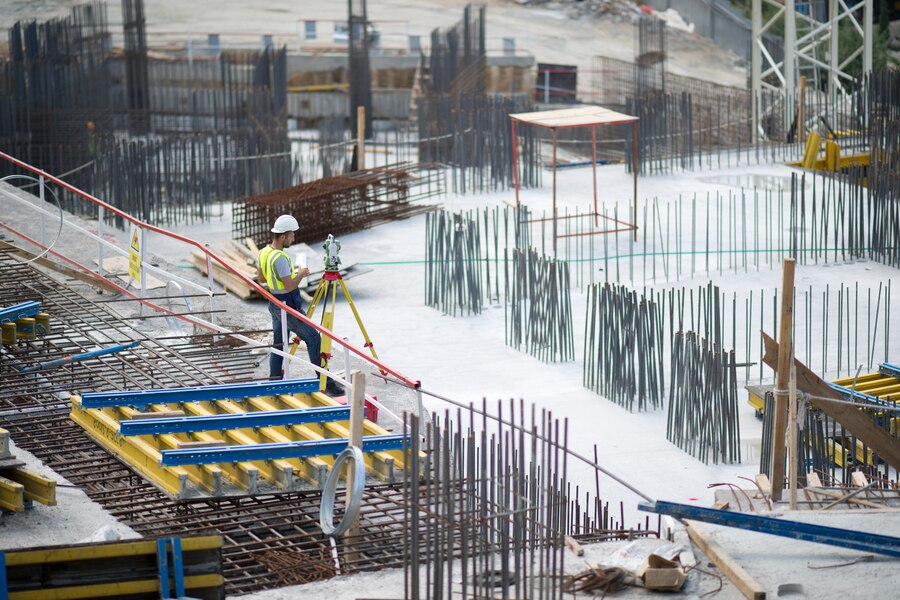
  • General Commercial Vs. Industrial Construction: What’s the Key Differences?

    General Commercial Vs. Industrial Construction: What’s the Key Differences?

    [fusion_builder_container type=”flex” hundred_percent=”no” hundred_percent_height=”no” min_height_medium=”” min_height_small=”” min_height=”” hundred_percent_height_scroll=”no” align_content=”stretch” flex_align_items=”flex-start” flex_justify_content=”flex-start” flex_wrap_medium=”” flex_wrap_small=”” flex_wrap=”wrap” flex_column_spacing=”” hundred_percent_height_center_content=”yes” equal_height_columns=”no” container_tag=”div” menu_anchor=”” hide_on_mobile=”small-visibility,medium-visibility,large-visibility” status=”published” publish_date=”” class=”” id=”” spacing_medium=”” margin_top_medium=”” margin_bottom_medium=”” spacing_small=”” margin_top_small=”” margin_bottom_small=”” margin_top=”” margin_bottom=”” padding_dimensions_medium=”” padding_top_medium=”” padding_right_medium=”” padding_bottom_medium=”” padding_left_medium=”” padding_dimensions_small=”” padding_top_small=”” padding_right_small=”” padding_bottom_small=”” padding_left_small=”” padding_top=”” padding_right=”” padding_bottom=”” padding_left=”” link_hover_color=”” link_color=”” border_sizes=”” border_sizes_top=”” border_sizes_right=”” border_sizes_bottom=”” border_sizes_left=”” border_color=”” border_style=”solid” border_radius_top_left=”” border_radius_top_right=”” border_radius_bottom_right=”” border_radius_bottom_left=”” box_shadow=”no” box_shadow_vertical=”” box_shadow_horizontal=”” box_shadow_blur=”0″ box_shadow_spread=”0″ box_shadow_color=”” box_shadow_style=”” z_index=”” overflow=”” background_color_medium=”” background_color_small=”” background_color=”” gradient_start_color=”” gradient_end_color=”” gradient_start_position=”0″ gradient_end_position=”100″ gradient_type=”linear” radial_direction=”center center” linear_angle=”180″ background_image_medium=”” background_image_small=”” background_image=”” skip_lazy_load=”” background_position_medium=”” background_position_small=”” background_position=”center center” background_repeat_medium=”” background_repeat_small=”” background_repeat=”no-repeat” background_size_medium=”” background_size_small=”” background_size=”” background_custom_size=”” background_custom_size_medium=”” background_custom_size_small=”” fade=”no” background_parallax=”none” enable_mobile=”no” parallax_speed=”0.3″ background_blend_mode_medium=”” background_blend_mode_small=”” background_blend_mode=”none” background_slider_images=”” background_slider_position=”” background_slider_skip_lazy_loading=”no” background_slider_loop=”yes” background_slider_pause_on_hover=”no” background_slider_slideshow_speed=”5000″ background_slider_animation=”fade” background_slider_direction=”up” background_slider_animation_speed=”800″ background_slider_blend_mode=”” video_mp4=”” video_webm=”” video_ogv=”” video_url=”” video_aspect_ratio=”16:9″ video_loop=”yes” video_mute=”yes” video_preview_image=”” pattern_bg=”none” pattern_custom_bg=”” pattern_bg_color=”” pattern_bg_style=”default” pattern_bg_opacity=”100″ pattern_bg_size=”” pattern_bg_blend_mode=”normal” mask_bg=”none” mask_custom_bg=”” mask_bg_color=”” mask_bg_accent_color=”” mask_bg_style=”default” mask_bg_opacity=”100″ mask_bg_transform=”left” mask_bg_blend_mode=”normal” render_logics=”” logics=”” absolute=”off” absolute_devices=”small,medium,large” sticky=”off” sticky_devices=”small-visibility,medium-visibility,large-visibility” sticky_background_color=”” sticky_height=”” sticky_offset=”” sticky_transition_offset=”0″ scroll_offset=”0″ animation_type=”” animation_direction=”left” animation_color=”” animation_speed=”0.3″ animation_delay=”0″ animation_offset=”” filter_hue=”0″ filter_saturation=”100″ filter_brightness=”100″ filter_contrast=”100″ filter_invert=”0″ filter_sepia=”0″ filter_opacity=”100″ filter_blur=”0″ filter_hue_hover=”0″ filter_saturation_hover=”100″ filter_brightness_hover=”100″ filter_contrast_hover=”100″ filter_invert_hover=”0″ filter_sepia_hover=”0″ filter_opacity_hover=”100″ filter_blur_hover=”0″][fusion_builder_row][fusion_builder_column type=”1_1″ layout=”1_1″ align_self=”auto” content_layout=”column” align_content=”flex-start” valign_content=”flex-start” content_wrap=”wrap” spacing=”” center_content=”no” column_tag=”div” link=”” target=”_self” link_description=”” min_height=”” hide_on_mobile=”small-visibility,medium-visibility,large-visibility” sticky_display=”normal,sticky” class=”” id=”” type_medium=”” type_small=”” flex_grow_medium=”” flex_grow_small=”” flex_grow=”” flex_shrink_medium=”” flex_shrink_small=”” flex_shrink=”” order_medium=”0″ order_small=”0″ dimension_spacing_medium=”” dimension_spacing_small=”” dimension_spacing=”” dimension_margin_medium=”” dimension_margin_small=”” margin_top=”” margin_bottom=”” padding_medium=”” padding_small=”” padding_top=”” padding_right=”” padding_bottom=”” padding_left=”” hover_type=”none” border_sizes=”” border_color_hover=”” border_color=”” border_style=”solid” border_radius=”” box_shadow=”no” dimension_box_shadow=”” box_shadow_blur=”0″ box_shadow_spread=”0″ box_shadow_color=”” box_shadow_style=”” z_index_hover=”” z_index=”” overflow=”” background_type=”single” background_color_medium=”” background_color_small=”” background_color_medium_hover=”” background_color_small_hover=”” background_color_hover=”” background_color=”” gradient_start_color=”” gradient_end_color=”” gradient_start_position=”0″ gradient_end_position=”100″ gradient_type=”linear” radial_direction=”center center” linear_angle=”180″ background_image_medium=”” background_image_small=”” background_image=”” background_image_id_medium=”” background_image_id_small=”” background_image_id=”” lazy_load=”none” skip_lazy_load=”” background_position_medium=”” background_position_small=”” background_position=”left top” background_repeat_medium=”” background_repeat_small=”” background_repeat=”no-repeat” background_size_medium=”” background_size_small=”” background_size=”” background_custom_size=”” background_custom_size_medium=”” background_custom_size_small=”” background_blend_mode_medium=”” background_blend_mode_small=”” background_blend_mode=”none” background_slider_images=”” background_slider_position=”” background_slider_skip_lazy_loading=”no” background_slider_loop=”yes” background_slider_pause_on_hover=”no” background_slider_slideshow_speed=”5000″ background_slider_animation=”fade” background_slider_direction=”up” background_slider_animation_speed=”800″ background_slider_blend_mode=”” render_logics=”” sticky=”off” sticky_devices=”small-visibility,medium-visibility,large-visibility” sticky_offset=”” absolute=”off” absolute_props=”” filter_type=”regular” filter_hover_element=”self” filter_hue=”0″ filter_saturation=”100″ filter_brightness=”100″ filter_contrast=”100″ filter_invert=”0″ filter_sepia=”0″ filter_opacity=”100″ filter_blur=”0″ filter_hue_hover=”0″ filter_saturation_hover=”100″ filter_brightness_hover=”100″ filter_contrast_hover=”100″ filter_invert_hover=”0″ filter_sepia_hover=”0″ filter_opacity_hover=”100″ filter_blur_hover=”0″ transform_type=”regular” transform_hover_element=”self” transform_scale_x=”1″ transform_scale_y=”1″ transform_translate_x=”0″ transform_translate_y=”0″ transform_rotate=”0″ transform_skew_x=”0″ transform_skew_y=”0″ transform_scale_x_hover=”1″ transform_scale_y_hover=”1″ transform_translate_x_hover=”0″ transform_translate_y_hover=”0″ transform_rotate_hover=”0″ transform_skew_x_hover=”0″ transform_skew_y_hover=”0″ transform_origin=”” transition_duration=”300″ transition_easing=”ease” transition_custom_easing=”” motion_effects=”” scroll_motion_devices=”small-visibility,medium-visibility,large-visibility” animation_type=”” animation_direction=”left” animation_color=”” animation_speed=”0.3″ animation_delay=”0″ animation_offset=”” last=”true” border_position=”all” first=”true”][fusion_text columns=”” column_min_width=”” column_spacing=”” rule_style=”” rule_size=”” rule_color=”” hue=”” saturation=”” lightness=”” alpha=”” content_alignment_medium=”” content_alignment_small=”” content_alignment=”” hide_on_mobile=”small-visibility,medium-visibility,large-visibility” sticky_display=”normal,sticky” class=”” id=”” margin_top=”” margin_right=”” margin_bottom=”” margin_left=”” fusion_font_family_text_font=”” fusion_font_variant_text_font=”” font_size=”” line_height=”” letter_spacing=”” text_transform=”” text_color=”” animation_type=”” animation_direction=”left” animation_color=”” animation_speed=”0.3″ animation_delay=”0″ animation_offset=”” logics=””]

    Construction is all about building things like houses, stores, and big factories. But did you know there are different kinds of construction? Some top construction types include residential, commercial, industrial, infrastructure, institutional, and more. Among these, industrial and commercial construction are often considered the same or interchangeable, but in reality, they are not. The two have many key differences— each involves creating facilities for businesses, but the type of business they are targeting differs.

    Simply, commercial construction includes building spaces where businesses operate and people visit. On the other hand, industrial construction creates facilities for manufacturing, storage, or processing. So, let’s deeply explore commercial vs. industrial construction key differences!

    About Commercial and Industrial Construction

    Commercial Construction

    Any construction that is meant for selling goods or services is classified as commercial construction. Simply put, it involves the construction of buildings that accommodate commercial institutions. Here are a few of the most popular options but remember, it is certainly not limited to these only.

    1. Retail stores
    2. Restaurants
    3. Hospitals
    4. Shopping malls
    5. Gyms
    6. Schools
    7. Office buildings 

    Industrial Construction

    This construction type builds structures primarily designed for manufacturing and production. Below are some examples:

    1. Manufacturing facilities
    2. Factories
    3. Power plants
    4. Warehouses 

    These structures demand careful planning and precise project management to ensure spaces prioritizing safety, functionality, and efficiency, driving industrial progress.

    Key Factors That Separate Commercial And Industrial Construction

    A) BUILDING MATERIALS AND CONSTRUCTION METHODS

    Regarding material selection and construction methods, commercial vs. industrial construction differs significantly. Commercial buildings focus on creating attractive designs for a positive customer experience, whereas industrial buildings prioritize functionality and durability. For instance, the materials used for these two types can vary significantly. 

    Commercial buildings often include:

    1. Large glass windows
    2. High-end finishes
    3. Designer fixtures

    In contrast, industrial buildings use:

    1. Heavy-duty steel beams
    2. Concrete
    3. Corrugated metal siding

    As for construction methods, commercial buildings usually stick to traditional techniques, while industrial buildings opt for modular construction or prefabrication due to their size and complexity. But remember, construction is always evolving, and modular buildings are at the forefront of new techniques of construction. So, commercial modular construction can also be used to create shopping malls, office workspaces, multi-family dwellings, and more.

    B) REGULATORY COMPLIANCE

    In both construction projects, navigating a complex web of regulations is paramount to ensure safety, quality, and adherence to various standards. Here’s a breakdown of the key regulatory categories:

    a) Zoning

    Both commercial and industrial projects are subject to zoning regulations. Zoning dictates the permitted uses of land in a specific area.

    Zoning Regulations For Commercial Projects Will Address Factors Like:

    1. Allowed building types: The options range from retail stores to office buildings and hotels.
    2. Building height and setbacks: These regulations define limitations on building height and proximity to property lines.
    3. Parking requirements: Zoning dictates the minimum parking spaces needed based on the type and size of the commercial establishment.
    4. Signage restrictions: Regulations can limit the size, placement, and type of signage allowed on the property.

    Zoning For Industrial Projects Focuses On The Following:

    1. Allowed uses: Manufacturing facilities, warehouses, power plants, and other industrial activities.
    2. Buffer zones: These can required to separate industrial areas from residential neighborhoods.
    3. Noise and emission limitations: Regulations might restrict noise levels and emissions generated by industrial activities.
    4. Storage limitations: Zoning specifies restrictions on the type and amount of materials allowed for storage on the property.

    b) Permits, Inspections, and Licenses

    All types of construction require permits, inspections, and potential licenses. However, the specifics differ based on project complexity and potential hazards.

    Permits Required for Commercial Construction:

    1. Building Construction
    2. Demolition
    3. Mechanical systems installation (HVAC)
    4. Signage installation

    Permits For Industrial Construction Companies Projects Involve:

    Similar permits as commercial construction, potentially with stricter requirements due to the nature of the facility.

    • Permits for handling hazardous materials.
    • Additional permits for specific industrial processes (e.g., power generation in a power plant).

    Regular inspections by qualified professionals ensure the project adheres to building codes and safety standards. Both commercial and industrial projects will undergo inspections at various stages of construction. Depending on the specific business or industrial activity, additional licenses are required for operation.

    c) Building Codes

    Building codes are a crucial factor that separates commercial and industrial construction. Both sectors adhere to safety regulations, but the specific codes they follow differ based on the building’s purpose and potential risks.

    Commercial construction follows the International Building Code (IBC) or similar local codes. Created by the International Code Council, IBC sets minimum rules for a construction engineering company to ensure occupant safety, accessibility, fire protection, and energy efficiency for buildings intended for public use.

    Industrial construction often falls under the International Code Council’s International Industrial Buildings and Structures Code (IIBC). This code addresses the unique needs of structures such as factories, warehouses, power plants, and other facilities, including:

    • Structural strength to support heavy machinery and equipment loads.
    • Regulations for safe storage and handling of hazardous materials.

    D) LOCATION SELECTION

    The right location selection is a crucial decision that sets the stage for success in both commercial and industrial construction projects. However, the ideal location for each type of project differs significantly. Commercial construction often seeks locations with high foot traffic, accessibility, and visibility to attract customers, such as downtown areas, areas near residential neighborhoods, or shopping centers. 

    Conversely, industrial construction prioritizes proximity to transportation hubs, suppliers, and workforce availability, favoring locations near highways, ports, or industrial parks. 

    E) VARIATION IN LAYOUT

    Both buildings’ construction layout is tailored to their specific purposes and operational requirements. Let’s learn with the examples for a clear idea:

    In well-planned commercial buildings, the layout aims to make customers feel welcome and interested. For example, stores often have open spaces and carefully arranged displays to encourage people to look around and buy things on impulse.

    Industrial buildings prioritize functionality and efficiency, with layouts optimized for production processes and workflow. For example, manufacturing industrial construction companies employ a linear or cellular layout to streamline production lines and minimize material handling.

    F) EFFECTIVE PROJECT MANAGEMENT

    The right project management is vital for any construction project’s success, whether commercial or industrial. A clear understanding of the specific focus areas ensures a project is executed with the right priorities in mind.

    Commercial Construction:

    The projects require careful planning and coordination to meet deadlines, budget constraints, and quality standards while ensuring customer satisfaction. Project managers oversee tasks such as site preparation, procurement of materials, hiring subcontractors, and managing stakeholders to deliver projects on time and within budget.

    Industrial Construction:

    For industrial building creation, the construction engineering company demands strategic project management to coordinate complex processes, equipment installations, and regulatory compliance. The head of the project can focus on scheduling, resource allocation, safety protocols, and adherence to industry-specific regulations. All of these ensure the timely completion of projects while maintaining safety and quality standards.

    Factors such as materials used, labor costs, and project complexity influence the construction budget and timeline for both types of buildings. Understanding these factors is important to ensure efficient and cost-effective construction while meeting necessary standards and regulations. Working with experienced professionals like DUB-L-EE can help navigate these complexities and ensure successful project outcomes.

    Whether you are working on a new project or seeking funding for an ongoing venture, a construction loan can be your helping hand in easing your financial burden. To discover about construction loans and gain insights into how they work. Considering consulting with experts in this industry.

    Final Words

    Despite commercial vs. industrial construction differences in location selection, layout, and regulatory requirements, both share the common aspect of effectively meeting the needs of their end-users.

    [/fusion_text][/fusion_builder_column][/fusion_builder_row][/fusion_builder_container]

  • Social Responsibilities Of A Trustworthy Commercial Construction Company

    Social Responsibilities Of A Trustworthy Commercial Construction Company

    [fusion_builder_container type=”flex” hundred_percent=”no” equal_height_columns=”no” menu_anchor=”” hide_on_mobile=”small-visibility,medium-visibility,large-visibility” class=”” id=”” background_color=”” background_image=”” background_position=”center center” background_repeat=”no-repeat” fade=”no” background_parallax=”none” parallax_speed=”0.3″ video_mp4=”” video_webm=”” video_ogv=”” video_url=”” video_aspect_ratio=”16:9″ video_loop=”yes” video_mute=”yes” overlay_color=”” video_preview_image=”” border_color=”” border_style=”solid” padding_top=”” padding_bottom=”” padding_left=”” padding_right=””][fusion_builder_row][fusion_builder_column type=”1_1″ layout=”1_1″ background_position=”left top” background_color=”” border_color=”” border_style=”solid” border_position=”all” spacing=”yes” background_image=”” background_repeat=”no-repeat” padding_top=”” padding_right=”” padding_bottom=”” padding_left=”” margin_top=”0px” margin_bottom=”0px” class=”” id=”” animation_type=”” animation_speed=”0.3″ animation_direction=”left” hide_on_mobile=”small-visibility,medium-visibility,large-visibility” center_content=”no” last=”true” min_height=”” hover_type=”none” link=”” border_sizes_top=”” border_sizes_bottom=”” border_sizes_left=”” border_sizes_right=”” first=”true”][fusion_text columns=”” column_min_width=”” column_spacing=”” rule_style=”” rule_size=”” rule_color=”” hue=”” saturation=”” lightness=”” alpha=”” content_alignment_medium=”” content_alignment_small=”” content_alignment=”” hide_on_mobile=”small-visibility,medium-visibility,large-visibility” sticky_display=”normal,sticky” class=”” id=”” margin_top=”” margin_right=”” margin_bottom=”” margin_left=”” fusion_font_family_text_font=”” fusion_font_variant_text_font=”” font_size=”” line_height=”” letter_spacing=”” text_transform=”” text_color=”” animation_type=”” animation_direction=”left” animation_color=”” animation_speed=”0.3″ animation_delay=”0″ animation_offset=”” logics=””]

    Commercial construction companies are the ones that build the places where we work, reside, and shop. But, these days, their role extends beyond just erecting buildings. A commercial construction company bears significant social responsibilities to consider the impact of their work on the environment, the community, and the people who work for them. Below are some of the statistics that highlight this:

    • A recent Dodge Data & Analytics study found that construction and demolition waste accounted for roughly 60% of municipal solid waste in the United States in 2020. That’s a lot of trash!
    • As per the Occupational Safety and Health Administration survey, nearly 21.1% of all workplace fatalities in 2019 occurred in the construction industry, highlighting the critical need for stringent safety measures.

    That’s why construction firms are readily implementing sustainable practices to minimize their ecological footprint with techniques such as using recycled materials and adopting energy-efficient technologies.

    Let’s learn more about how trusted construction companies can do good things and how to overcome potential challenges! 

    3 Top Social Responsibilities Of Trustworthy Construction Firms

    1. Environmental Responsibility: Together Build A Better Future

    The earth’s resources are precious, and construction dramatically impacts them. An eco-conscious commercial construction company completely understands this; therefore, they consider environmental factors while working. Have a look in detail:

    a) Sustainable Materials

    Trustworthy construction Firms actively seek out recycled or recyclable materials whenever possible. Did you know the U.S.A. Environmental Protection Agency estimates that in 2021, approximately 68.7% of building & demolition debris was redirected from landfills? This reduces our reliance on virgin resources and lowers the burden on landfills.

    b) Waste Reduction

    The reliable company’s project manager plans their work carefully to minimize construction waste by using pre-fabricated components, ordering accurate amounts of materials, and exploring ways to reuse or recycle leftover materials.

    c) LEED Certification

    Many trustworthy companies hold the certification of LEED (Leadership in Energy and Environmental Design) to show their sustainable practices commitment. This is a widely recognized certification of the green building rating system.

    These are some of the top environmental responsibilities of trustworthy commercial general contractors through which you can reduce the ecological impact by prioritizing these practices and contributing to a more sustainable future.

    2. Community Responsibilities: Build Trust With Your Neighbors

    Construction projects can disrupt the daily lives of those who live and work nearby. Therefore, it’s important to understand the impact their work has on the community and take steps to minimize disruption:

    a) Respectful Communication

    Ensure to inform the community about project timelines, potential noise levels, and traffic disruptions. Open communication builds trust and helps residents prepare for any inconvenience.

    b) Minimizing Noise Pollution

    Construction noise is a major source of stress and health problems. Commercial builders take steps to mitigate this by using noise-reduction techniques like enclosing work areas and scheduling noisy activities for specific times.

    c) Supporting Local Businesses

    Whenever possible, use source materials and services from local vendors. This keeps money circulating within the community and reduces transportation emissions associated with long-distance deliveries.

    d) Community Engagement

    Some companies go further by participating in community events or supporting local charities related to construction education or skills development.

    These actions demonstrate that trustworthy construction companies value the communities where they work and strive to be good neighbors.

    3. Safety Responsibility

    Here’s how trustworthy commercial construction companies prioritize the safety and well-being:

    a) Community Safety Assurance

    By placing visible signs in construction zones, the local community is informed about potential dangers and redirected safely. In this way, you can prevent accidental exposure to dangerous substances and safeguard the local community’s well-being.

    b) Focus On Employee Safety

    1. Equipping employees with necessary safety gear like helmets, goggles, and others ensures they are adequately protected while performing their duties.
    2. Regular training on safety practices and emergency procedures equips employees with the knowledge and skills needed to identify and mitigate workplace hazards. It also prepares them to handle emergencies effectively, minimizing the severity of potential accidents.
    3. Providing employees with comprehensive insurance coverage guarantees they receive financial support in case of work-related injuries or accidents.

    Challenges Faced In Fulfilling Their Social Responsibilities

    While the commitment to social responsibility is strong, construction companies are businesses whose primary goal is “PROFIT.” Therefore, these companies do face challenges such as:

    1. Higher Upfront Costs

    Sustainable materials and energy-efficient technologies can be more expensive than traditional options.

    1. Time Investment

    Implementing new social responsibility practices requires additional planning, training, and workflow adjustments, impacting project timelines.

    1. Coordination Issue With Local Community

    Negative past experiences with construction projects or doubt towards corporate entities hinder the development of positive relationships with the local community.

    Potential Solutions And Strategies To Overcome Challenges

    While social responsibility might present some initial hurdles!! But, you can effectively address them through strategic planning and collaboration:

    1. Strength in Partnerships

    Building solid relationships with other companies in the construction industry, material suppliers, and even government agencies can open a wealth of solutions.

    1. Long-Term Planning Pays Off

    Taking a long-term view of costs is crucial. While sustainable building materials or energy-efficient systems might have a higher upfront price tag, consider the lifecycle benefits:

    • Lesser operating costs due to reduced energy consumption.
    • Potential tax credits or incentives for sustainable construction practices.
    • Increased building value and marketability due to sustainability features.
    1. Go For Transparent Communication

    Trustworthy commercial construction companies can develop trust and credibility with the local community by offering precise details regarding project plans and timelines. This involves actively engaging with community feedback and taking ownership of any past mistakes or shortcomings.

    Choose a trustworthy commercial contractor to ensure your project meets your needs and contributes to a brighter future.

    Wrapping Up

    Commercial construction companies can become powerful forces for positive change by prioritizing social responsibility.  These above acts automatically contribute to a healthier environment, stronger communities, and a more empowered workforce.

    [/fusion_text][/fusion_builder_column][/fusion_builder_row][/fusion_builder_container]